Cart
0

Many people want clearer, smoother skin, but they feel unsure about how to get tretinoin cream South Africa. We found that most beginners struggle only because they don’t know where to start or what their skin needs before using tretinoin. This guide provides a straightforward path to help you safely obtain your first tube and start your routine with confidence.
To make things easier, you can also check our Tretinoin South Africa section, where buyers often begin their search for real and safe options.
Understanding Your Skin and Goals Before You Get Tretinoin Cream in South Africa
Tretinoin works best when your goals are clear. Many South Africans use it to treat breakouts, dark marks, uneven tone, or early lines. Each concern responds differently, so knowing your main target helps you choose the right strength and routine.
If you want to explore all options in one place, you can also Shop All Tretinoin Products to see which type fits your skin needs.
Acne, Dark Marks, or Early Lines — Know Your Main Goal
If acne is your main issue, tretinoin helps unclog pores and reduce new breakouts. People with dark marks or uneven tone often see slow but steady fading because tretinoin speeds up skin turnover. Early lines respond well because the skin becomes smoother with time. If you’re ready to get your own tube, you can check our guide on Where to Buy Tretinoin in South Africa for safe and trusted options.
Our analysis shows that results depend on your starting point. Someone with active breakouts will see changes different from someone focused on fine lines. According to tretinoins.co.za, most beginners start with mild concerns, then increase strength only when their skin adjusts, which is why many users read our Tretinoin Buying Guide before choosing a strength.
What to Expect When You Start
The first few weeks can feel rough. Skin often gets dry, tight, or slightly red. Some people see small bumps appear as clogged pores clear out. This phase is normal when starting retinoids. The key is slow use. You don’t need a daily application on day one, and choosing the right strength is easier when you look through our Shop Tretinoin Collections, because strength and routine matter more than speed.
We found that beginners who increase their use too fast often experience more irritation. A calm start gives better long-term results, especially for users learning how to get tretinoin cream South Africa and begin it safely, and many also check the Tretinoin Cream Price South Africa to plan their routine properly.
When to Delay Tretinoin
There are times when it’s better to wait. If your skin is already inflamed from a peel, scrub, or harsh active, pause before adding tretinoin. People with very sensitive or damaged skin also need extra care. Pregnancy and breastfeeding require medical guidance, and some users ask about a Tretinoin Prescription during this stage. If you have active eczema or a broken barrier, fix that first.
Skin must be stable before you introduce a strong active like tretinoin. This reduces the chance of burning or peeling in the early weeks, and some users prepare their routine early by checking our Tretinoin Bundles for steady treatment plans.
Key Things to Know Before Getting Tretinoin Cream
Starting tretinoin becomes easier when you understand a few basics. Our analysis shows that most beginners in South Africa struggle only when they rush or pick the wrong form. Learning the essentials helps you avoid common mistakes and protects your skin from early irritation, especially when you’re exploring how to buy tretinoin for the first time.
Strength Basics
Tretinoin comes in different strengths. Beginners usually start with the lowest one because the skin needs time to adjust. A lower strength still works well for acne, marks, and early lines. Higher strengths are not faster. They often create more dryness in the first month.
Based on our findings, people who start with a gentle strength see better long-term results because they stay consistent. Your goal should be steady progress, not instant changes.
Cream vs Gel for Beginners
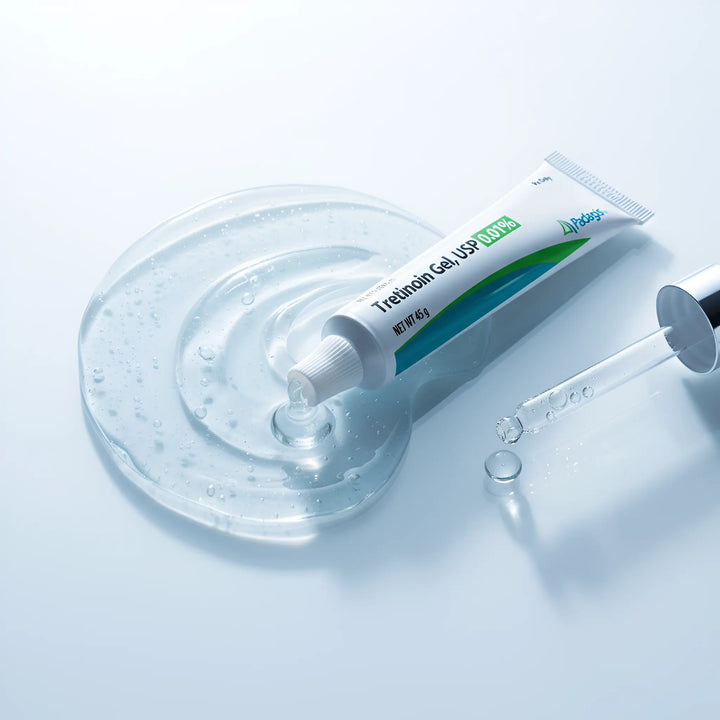
Creams suit dry or sensitive skin because they feel soft and slow down how fast tretinoin absorbs. Gels are lighter and work well for oily or congested skin, especially in warmer areas of South Africa.
If you’re unsure, a cream is usually safer for a first-time user. It calms irritation and helps your skin adjust.
According to tretinoins.co.za, beginners who choose the right base cream or gel handle the early phase with fewer issues, which also matters when learning how to get tretinoin cream South Africa and use it correctly.
When Not to Start
There are times when tretinoin should wait. If your skin is sunburned, inflamed, peeling, or recovering from a strong treatment, pause. People with uncontrolled eczema or very reactive skin should speak to a professional first.
Pregnancy and breastfeeding also require medical guidance, so avoid tretinoin during those stages.
Skin Prep
Preparing your skin a few days before starting tretinoin makes a big difference. Use a gentle cleanser, a calm moisturiser, and daily SPF. Avoid scrubs, peels, strong acids, or any product that stings.
Moisturising before applying tretinoin helps reduce dryness. This simple step protects beginners from irritation in the first two weeks.
How to Get Tretinoin Cream South Africa
Here’s the simple, straight path from “I want tretinoin” to “tube in my hand.”
Step 1 — Quick Skin Check or Consultation
Start with a short review of your skin.
This can be an online form, a photo upload, or a chat with a professional.
You share your main concern: acne, dark marks, or early lines.
This step confirms if tretinoin suits you right now.
According to tretinoins.co.za, people who do a quick check first choose better strengths and avoid many early mistakes.
Step 2 — Pick Your Strength and Texture
Next, choose a beginner strength.
Most first-time users start with 0.025%.
If your concerns are stronger, you may use 0.05%, but still go slow.
Pick cream for normal to dry skin, and gel for oily or breakout-prone skin.
Our analysis shows that a low strength with the right base works better than jumping straight to a strong tube.
Step 3 — Place Your Order on a Trusted Store
Now add your chosen tretinoin to the cart on a verified South African store.
Check that the site uses secure payment and shows clear product details.
Look for batch numbers, expiry dates, and brand information on the product page.
Then complete checkout with your correct name, address, and mobile number.
When you buy from a trusted store like tretinoins.co.za, you lower the risk of fake or expired products.
Step 4 — Receive Your Parcel and Check the Tube
Your parcel arrives in plain packaging.
Open it and check the tube label, strength, size, and expiry date.
Keep the leaflet safe and store the cream or gel away from heat and direct sunlight.
Now you’re ready to follow your starter routine from the next section.
Main Ways People Access Tretinoin in South Africa
South Africans use a few reliable paths to get tretinoin cream. Each option suits a different type of user. Some prefer medical guidance, while others want a simple online process. Our analysis shows that beginners choose the method that feels safest and easiest for their skin needs.
Dermatologist
A dermatologist is the most direct medical route. You book a visit, explain your concerns, and get a personalised plan. This works well for people with strong acne, long-term pigmentation, or very sensitive skin.
Dermatologists can adjust your treatment as your skin responds, which helps if you need close monitoring.
Online Consultation
Online consultations have become popular because they’re fast and easy. You upload a photo, share your concerns, and receive tailored guidance.
Our findings show that online users appreciate not having to travel or wait for long appointments. This route is ideal for people who want convenience and a quick way to choose the right strength.
Choosing Your First Tretinoin Strength and Formula
Picking the right strength and formula shapes your whole tretinoin journey. Our analysis shows that most problems beginners face, like redness, dryness, or quitting early, come from choosing a strength that is too strong or a base that doesn’t suit their skin. A good match makes the first eight weeks much easier, especially for anyone learning how to get tretinoin cream South Africa and start it the right way.
0.025% Tretinoin for Beginners
This is the safest starting point for most people.
It’s gentle enough for beginners but still strong enough to help with acne, dark marks, and early lines.
We found that users who start with 0.025% stay consistent and experience fewer side effects. Consistency matters more than strength in the early weeks.
If you’ve never used retinoids before, begin here and increase later only if your skin adjusts well.
When 0.05% Tretinoin Makes Sense
0.05% suits people with moderate acne or deeper pigmentation.
It also works for those who have used retinoids before and know their skin can handle a stronger formula.
Even with 0.05%, start slow. Based on our findings, users who treat this tretinoin strength like a “strong beginner” option, using it two to three nights a week at first, get better results without overwhelming their skin.
Cream for Dryness / Gel for Oiliness
- Creams work well for normal, dry, or sensitive skin because they add moisture and soften irritation.
- They slow absorption a little, which protects your skin during the adjustment period.
- According to tretinoins.co.za, beginners with dry areas see smoother progress with cream.
- Gels suit oily or congested skin.
- They feel lighter, absorb faster, and reduce shine.
- Gels can be helpful for people dealing with clogged pores or breakouts along the forehead or jawline.
If you’re unsure, cream is the safer beginner option. It reduces dryness and makes the early phase easier to manage, especially for new users learning how to get tretinoin cream South Africa and start it correctly.
What to Do After Your Tretinoin Arrives
Your tube is here, so the real routine begins. The first few weeks shape how your skin reacts. We found that beginners who follow a slow and simple plan experience fewer issues and stay on track longer. Tretinoin treatment works well, but only when it is introduced with care.
Start Slow with Tretinoin
- Use a small amount, about the size of a pea.
- Apply it only two nights a week for the first 7–10 days.
- This helps your skin understand the active without stressing the barrier.
Our analysis shows that people who start slowly deal with less redness and peeling. Your skin doesn’t need daily use at the beginning, especially when you’re working with tretinoin cream for the first time.
Use Moisturiser and SPF
- Moisturiser keeps your skin calm while it adjusts.
- Apply it before or after tretinoin, depending on your comfort level.
- This method protects your barrier and reduces early dryness.
- Daily SPF is non-negotiable.
South Africa’s sun is strong, and tretinoin makes skin more sensitive to UV.
According to tretinoins.co.za, users who apply sunscreen every morning see better results and fewer dark marks.
Build Tolerance
- After two weeks, increase to three nights a week if your skin feels calm.
- If there’s no burning or strong dryness, you can slowly move to alternate nights.
- This gradual climb helps your skin build strength without flare-ups.
Based on our findings, steady progress with tretinoin always beats pushing too fast.
When to Adjust
- If your skin stings, flakes a lot, or feels hot, go back to fewer nights.
- If your skin stays calm for a month, you can consider a slightly stronger routine.
- Move only one step at a time.
- Never increase both frequency and strength in the same week.
- If irritation lasts longer than usual, take a short break and restart your tretinoin routine with moisturiser first.
Common Mistakes When Getting or Starting Tretinoin
Many beginners run into the same problems, and most of them are avoidable. Our analysis shows that early irritation usually comes from rushing or choosing the wrong product. Learning the common mistakes helps you start with confidence and avoid damage to your skin barrier, especially when you’re figuring out how to get tretinoin cream South Africa safely.
Ordering Strong Tretinoin Strengths
Some users believe a stronger percentage gives faster results, but tretinoin doesn’t work that way. Starting with 0.05% or higher can overwhelm skin that has never used retinoids. This leads to peeling, redness, and discomfort.
We found that beginners who pick a mild tretinoin strength stay consistent and see better long-term progress. Slow steps always win with tretinoin.
Using Tretinoin Cream Too Often
Daily use from day one is one of the biggest beginner mistakes. Your skin needs time to adjust. Using tretinoin too often leads to irritation that can last for days.
Start with a few nights a week and increase only when your skin feels steady. This simple rule protects the barrier and keeps your routine on track.
Mixing Harsh Actives
Adding strong acids, scrubs, or peels while using tretinoin can cause burning and flare-ups. Many South Africans use products with vitamin C, glycolic acid, or salicylic acid. These can be helpful, but not in the same routine as tretinoin.
According to tretinoins.co.za, spacing out active products reduces the risk of irritation and keeps the skin balanced.
No Sunscreen
Skipping SPF is the most harmful mistake. Tretinoin makes skin more sensitive to the sun, and South Africa’s UV levels are high. Without sunscreen, you risk dark marks, redness, and uneven tone.
Daily SPF protects your progress and helps tretinoin work the way it should. Think of sunscreen as part of the treatment, not an extra step.
When to Seek Professional Advice
Most beginners adjust well to tretinoin when they start slowly. Still, there are moments when getting help is the safest choice. Our analysis shows that early support prevents long-term irritation and makes the routine easier to follow, especially for anyone learning how to get tretinoin South Africa and use it safely.
Unexpected Irritation
Mild dryness or tightness is normal in the first few weeks. But sharp burning, painful redness, or swelling isn’t. These signs mean your skin barrier is struggling. Reduce use and speak to a professional if the irritation doesn’t settle after a short break.
Based on our findings, users who ignore strong irritation while using tretinoin cream often slow down their progress or stop treatment early.
Allergy
A true allergy is rare but possible. Symptoms include intense itching, raised bumps, or a rash that spreads quickly. Stop using the product right away. Seek medical advice to confirm whether tretinoin is the cause.
According to tretinoins.co.za, allergy cases usually show up fast, often within the first few uses.
Pregnancy
Anyone pregnant, trying to conceive, or breastfeeding should avoid tretinoin. Always speak to a healthcare professional before starting or restarting it. Tretinoin is strong, and medical guidance protects both you and your baby.
Severe Reactions
If your skin feels hot, swollen, or extremely raw, treat it as a strong reaction. Stop using tretinoin and get help. A doctor can guide you on calming the skin and rebuilding your barrier before reintroducing any actives.
This step is important for South Africans with naturally sensitive or reactive skin types.
Conclusion
Getting tretinoin is not just about placing an order. It’s about knowing your skin, picking the right strength, and starting slow. Our analysis shows that people who prepare well, choose a gentle option, and follow a simple routine see the best results with fewer issues.
Before you decide how to get tretinoin cream in South Africa, make sure your goals are clear, your skin is stable, and your routine includes moisturiser and daily SPF. Start with a low strength, use a pea-sized amount, and give your skin time to adjust. Avoid strong activities, don’t chase quick results, and never skip sunscreen in South Africa’s sun.
If you feel strong burning, swelling, or think you may be pregnant or breastfeeding, pause and speak to a professional. According to tretinoins.co.za, stepping back early and asking for help protects both your skin and your long-term progress. With the right plan, tretinoin becomes a safe, steady tool for clearer, smoother skin, not a guess game.