Cart
0
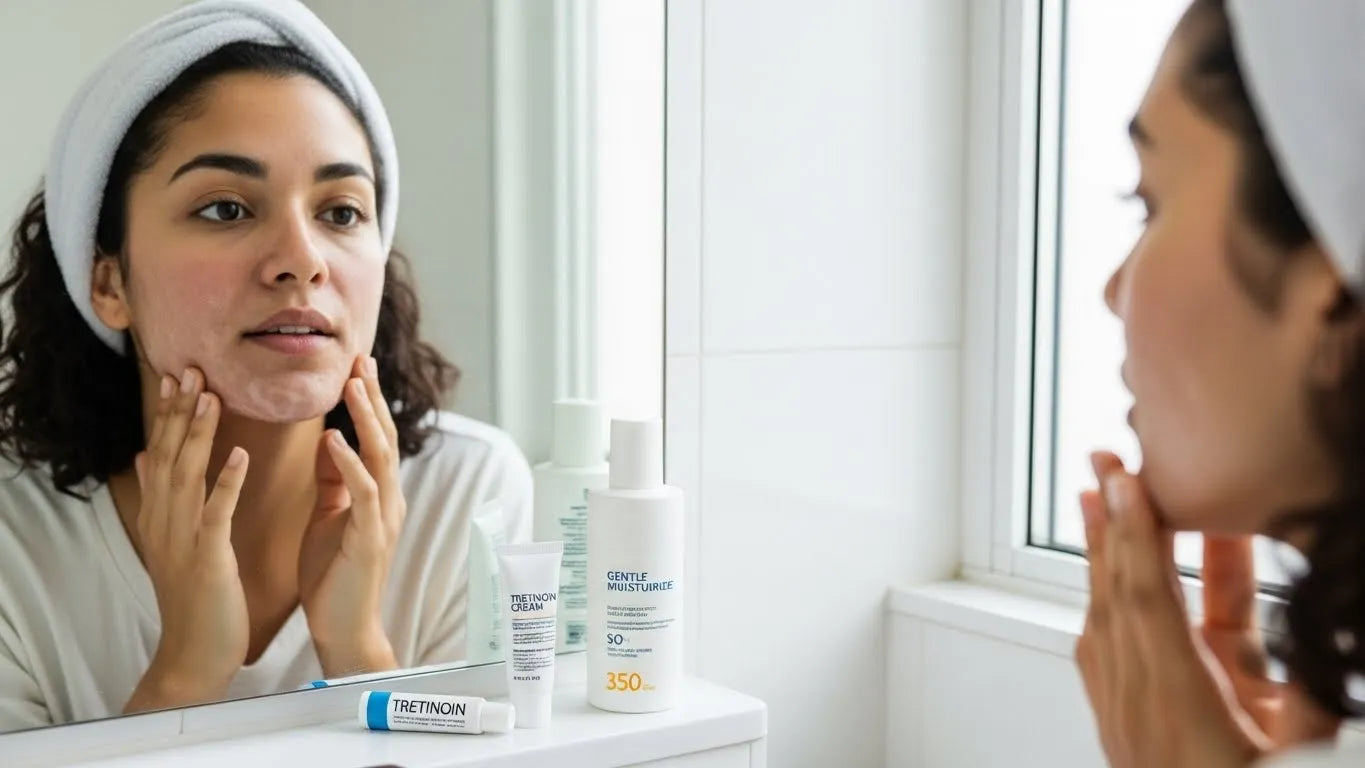
Many people search for tretinoin cream side effects because the first few weeks can feel confusing. The skin may peel, sting, or break out, and most beginners worry that something is wrong. Our analysis shows this happens to many South Africans, especially in hot weather or when skin is prone to pigmentation. The good news is that most reactions are normal and settle with the right routine. We found that simple steps shared on tretinoins.co.za can reduce irritation, protect the skin, and keep your results on track.
Shop Tretinoin by Strength
Tretinoin 0.025% Cream • Tretinoin 0.05% Cream • Tretinoin 0.1% Cream
Need a Prescription? Get Free Consultation
Why People Experience Side Effects With Tretinoin Cream

Many beginners experience side effects because tretinoin speeds up skin renewal. This is also why comparisons like tretinoin 0.05% vs tretinoin 0.1% become important before choosing a higher strength. Old cells shed faster, which leads to dryness, peeling, and mild redness. This early shift makes the skin tight or sensitive. According to our findings from tretinoins.co.za and our guide on Best Tretinoin Strength for Flat Warts, almost every new user experiences these early reactions.
How Tretinoin Works on the Skin
Tretinoin tells the skin to create new cells at a quicker rate. The top layer sheds, and deeper layers grow stronger. This helps acne and dark marks, which is why many users explore options like Tretinoin Bundles, but the change feels rough at first while the skin adjusts.
Why Irritation Happens in the First Weeks
The first weeks often include a short purge. Breakouts rise because clogged pores clear rapidly. This is not an allergy. It is the skin pushing out old buildup. Peeling and redness also peak at this time, which many users recognise as part of Tretinoin Cream Side Effects when they explore options under Shop All Tretinoin Products. Most South African users settle in week four to six based on our analysis.
Tretinoin vs Retinol Cream Side Effects on the Face
Retinol is milder. Side effects are softer and slower. Tretinoin is stronger, which is why many users browsing Tretinoin Collections notice irritation early on. Many users switching from retinol feel surprised by the sharper dryness and peeling.
Why South African Users May React More
Strong sun, heat, and pigmentation tendencies make South African skin more reactive, especially for users starting Tretinoin Cream. UV exposure increases redness and dryness. Heat raises sensitivity. Darker skin tones may darken for a short time before improving. A slow start and daily sunscreen reduce most of these issues.
Common Tretinoin Cream Side Effects Face & Skin
Most beginners feel some changes in the first weeks. These tretinoin cream side effects on face happen because the skin is adjusting, especially for users learning how to get tretinoin cream in South Africa for the first time. Our findings show they settle with slow use, sunscreen, and a gentle routine.
Common Reactions
-
Dryness and peeling
The skin sheds faster, so dry spots form around the nose, mouth, or chin. This often happens when beginners apply too much, especially when choosing a product based on tretinoin cream price in South Africa rather than starting with a lower strength. A gentle moisturiser helps. -
Redness and sensitivity
The skin may look pink or feel warm. Corners of the mouth react first. These tretinoin side effects on skin improve as the barrier strengthens, which is why a clear tretinoin buying guide helps beginners choose the right strength and routine. -
Burning or stinging after application
A short sting is normal. If it lasts longer, the strength may be too high, or the skin may still be damp. Waiting 20 minutes after washing lowers irritation. -
Temporary acne worsening (purge)
Breakouts rise because clogged pores clear fast. This is not new acne. It is part of the clearing stage. Most purges last two to six weeks. -
Itching or mild swelling
Light itching or tightness is common during the first weeks. If swelling becomes painful, pause the product. -
Skin color changes
Some notice darkening or lightening. Darker tones may darken first, then brighten later. Daily sunscreen reduces this shift. This is a known side effect of using tretinoin cream on face for users with pigmentation concerns.
Side Effects for Oily Skin
-
Oily skin can still peel
-
Dry and oily patches may appear together
-
Peeling often shows on the nose and chin
-
A light moisturiser balances the skin
-
These tretinoin cream side effects for oily skin settle once the routine becomes steady
Less Common but Serious Side Effects

Most side effects are mild, but some reactions need quick action. These serious issues often happen when the cream is too strong or used too often. Stop tretinoin if any severe reaction appears.
Serious Reactions to Watch For
-
Strong burning
A short sting is normal. A burn that lasts for hours is not. This means the barrier is stressed. -
Blistering
Blisters are rare but serious. Stop the product and do not restart without guidance. -
Redness that spreads fast
Mild redness is expected. Spreading redness is a warning, especially in South Africa’s strong sun. -
Severe dryness or pain
Dry skin is common. Painful cracking or soreness is not. This often happens when beginners start with nightly use. -
Allergy signs
Some products contain fish-based ingredients. Stop tretinoin if you see hives, swelling, or intense itching.
Stop Tretinoin Immediately If You Notice
-
Blisters
-
Strong burning that does not settle
-
Swelling around eyes or lips
-
Spreading rash
-
Painful cracks or bleeding skin
These reactions are not part of the normal adjustment period and fall outside typical Tretinoin Cream Side Effects.
Who Should Avoid Tretinoin
-
Pregnant users or those trying to conceive
-
People with active eczema or broken skin
-
Anyone allergic to vitamin A products
-
Users who spend long hours in direct sunlight without protection
Tretinoin Side Effects for Different Skin Types
Side effects look different on each skin type. Our analysis shows that oily skin, dry skin, and darker skin tones react in their own way. Knowing these patterns helps users handle the early weeks with less stress, especially when they understand how Tretinoin Cream Side Effects vary across skin types.
Oily & Acne-Prone Skin
Breakouts During the First Weeks
Oily and acne-prone skin often shows more breakouts at the start. This happens because tretinoin pushes out old buildup. The skin looks worse before it settles, which many users confuse with a bad reaction.
How to Know if It’s Purge or Irritation
A purge shows small breakouts in areas where you usually get acne. Irritation looks different. It comes with red patches, burning, or a rash in new areas. A purge improves with steady use. Irritation gets worse if you keep applying the same amount.
When Oily Skin Still Gets Dry
Even oily skin peels in the early weeks. Tretinoin speeds up turnover, so dry flakes appear on the nose, chin, or mouth area. According to our findings from tretinoins.co.za, a light moisturiser helps balance the skin without making it greasy.
Dry or Sensitive Skin
Why Dryness Is Stronger
Dry and sensitive skin reacts fast to strong formulas. The skin barrier is not as firm, so peeling and redness appear quickly. Users in this group often feel tightness or stinging within minutes.
Simple Routine Adjustments
A few changes help reduce the stress:
-
Apply moisturiser before and after tretinoin
-
Use it only two to three nights per week at first
-
Avoid scrubs, foaming cleansers, and strong actives
-
Apply to fully dry skin
These steps reduce the early discomfort and help the skin adjust safely.
Darker Skin Tones (Very Important for South Africa)
Why Darkening Happens
Many South Africans have medium to deep skin tones. This group may see mild darkening in the first weeks. It happens because irritation triggers melanin activity. This is not permanent. Once the skin calms, the marks start to fade.
How to Prevent Post-Inflammation Marks
A gentle routine keeps the skin safe:
-
Use sunscreen daily
-
Start with a lower strength
-
Avoid over-washing
-
Moisturize well
-
Apply tretinoin only at night
Based on our findings, users with darker skin tones who follow a slow routine get fewer marks and better long-term results.
Long-Term Tretinoin Cream Side Effects
Most users worry about tretinoin cream side effects long term, but long-term use is safe when the routine is steady, and sunscreen stays consistent. Our analysis shows that the skin keeps renewing at a healthy pace, and most people see smoother texture and lighter marks over time.
Thinner Skin Myth
What people fear:
-
Skin feels thin early on
-
Peeling looks like barrier damage
What is true:
-
Only the top layer sheds faster
-
Deeper layers become stronger
-
Collagen support improves with time
According to our findings from tretinoins.co.za, long-term users often gain a firmer surface, not fragile skin.
Dryness Months Later
Some users still feel light dryness after months. This is more common in dry or sensitive skin.
Hot South African weather can increase dryness, so simple hydration steps help:
-
Use a gentle moisturiser
-
Avoid harsh cleansers
-
Drink enough water
This dryness is not harmful.
Why Sunscreen Stays Important
Without sunscreen, long-term users may see:
-
Redness
-
New dark marks
-
Slower results
Daily SPF prevents UV damage and keeps the tone even. Our findings show that users who skip sunscreen face more irritation and weaker results.
Tretinoin Cream Side Effects During Pregnancy

Many users search for tretinoin side effects pregnancy because they want safe skin care while expecting. Our analysis shows that tretinoin is not recommended during pregnancy. This guidance comes from global safety data and is followed by doctors in South Africa as well.
Why Tretinoin Is Not Recommended
Tretinoin is a vitamin A product. When taken by mouth, high doses of vitamin A can harm a developing baby. Creams work on the surface, but a small amount can still absorb. Because of this risk, doctors advise avoiding tretinoin during pregnancy and while trying to conceive. This step keeps both the parent and the baby safe.
What to Do If Someone Used It Before Knowing They Were Pregnant
Many women stop the cream as soon as they see a positive test. If someone used it early in pregnancy, they should not panic. The amount that enters the bloodstream from normal use is low. Still, the safest step is to stop using it right away and speak with a healthcare provider for peace of mind. According to our findings at tretinoins.co.za, most users feel better once they review the situation with a professional.
Safe Alternatives
There are gentler options for pregnancy skin care. These choices do not carry the same risks:
-
Azelaic acid
-
Niacinamide
-
Gentle moisturizers
-
Mineral sunscreens
These products help with breakouts, redness, and uneven tone without the risk linked to tretinoin
How to Reduce and Prevent Tretinoin Side Effects
A simple routine prevents most reactions. Our analysis shows that beginners who follow slow steps see fewer problems, especially in South Africa’s strong sun and heat, where Tretinoin Cream Side Effects can feel more noticeable.
Start Slow
-
Use tretinoin two nights per week at first
-
Increase only when the skin feels stable
-
This plan controls redness and peeling
-
Good for anyone asking, can I use tretinoin cream on my face
Use a Pea Size Amount
-
One pea covers the whole face
-
Using more increases dryness
-
Spread gently on the forehead, cheeks, chin, and nose
-
Avoid the mouth and eye corners
Apply Only on Dry Skin
-
Damp skin absorbs faster and reacts more
-
Wait twenty minutes after washing
-
Our findings from tretinoins.co.za show that this reduces burning
Moisturiser Tips for South Africa
-
Heat and sun make the skin reactive
-
Two simple methods work:
-
Moisturiser before tretinoin for comfort
-
Moisturiser after tretinoin to lock in hydration
-
Yes, you can use face cream over tretinoin
-
This helps limit peeling and tightness
Sunscreen Habits
-
Crucial for South African users
-
Prevents darkening and redness
-
Use SPF every morning
-
Reapply if outdoors for long hours
What Not to Mix
Avoid products that increase irritation:
-
Benzoyl peroxide
-
Salicylic acid
-
Glycolic acid
-
Scrubs
-
Retinol
-
Strong clay masks
Keep the routine simple until the skin settles.
When to Switch to 0.025%
-
If burning and peeling stay strong after two weeks
-
Lower strength is safer for sensitive skin
-
Our findings show that many SA beginners get better results with 0.025%
How to Know if Your Side Effects Are Normal or Not

Understanding what is normal saves many beginners from quitting too early. Our analysis shows that most reactions follow a clear pattern. When the skin behaves outside this pattern, it may need a pause or review.
| Time Period | What You May Notice |
|---|---|
| Week 1–2 | • Light peeling• Mild redness• Tight or dry feel• Small breakouts in usual acne areas |
| Week 3–4 | • Peeling starts to slow down• Redness becomes mild• Breakouts begin to clear• Skin starts adjusting to the routine |
| Week 5–8 | • Skin texture looks smoother• Dark marks begin to fade• Dryness becomes easier to manage• Less irritation after each use |
Red Flags That Mean Stop Immediately
Stop using tretinoin if you notice:
-
Blisters
-
Spreading rash
-
Sharp burning that lasts for hours
-
Swelling around the eyes or lips
-
Painful cracks in the skin
-
Sudden redness across the entire face
These signs show the skin is overwhelmed and are not typical Tretinoin Cream Side Effects.
When to Consult a Dermatologist
Seek advice if:
-
Side effects stay strong after four to six weeks
-
Pigmentation becomes darker and does not settle
-
Breakouts increase after week eight
-
You have a history of eczema or allergies
-
You are unsure about the strength or mixing of products
A short check helps adjust the routine before problems grow.
Tretinoin Benefits Once Side Effects Settle
Once the early irritation fades, most people start to see why tretinoin is so popular in South Africa. Our analysis shows that the benefits often appear slowly but stay steady with consistent use.
Clearer Skin
After the purge phase ends, the pores stay cleaner. Breakouts become less frequent, and stubborn bumps clear faster. Many users report smooth progress by week eight.
Smoother Texture
One of the biggest effects of tretinoin on face texture is the steady turnover of skin cells. Rough patches soften, and the surface looks more even.
Lighter Dark Marks
Tretinoin helps fade post-acne marks and sun-related pigmentation. According to our findings on tretinoins.co.za, this benefit is especially helpful for darker South African skin tones that mark easily.
Fewer Breakouts Over Time
With long-term use, pores clog less, which means fewer repeat pimples. The skin becomes easier to maintain with a simple routine.
The combined benefits of tretinoin cream on the face make the early side effects worth it for most people. Patience and steady care bring the real results.
FAQs
How long do tretinoin side effects last?
Most people feel dryness, redness, or stinging for two to eight weeks. The skin usually settles once it adjusts. If irritation grows instead of improving, a lower strength or slower routine helps, especially when these changes feel stronger than typical Tretinoin Cream Side Effects.
Why is my skin darker after starting tretinoin?
This can happen when the skin gets inflamed. Darker tones often form marks easily. Sun exposure makes it worse. Use sunscreen daily. The darkening is usually temporary and fades once the irritation calms.
Should oily skin use tretinoin?
Yes, Oily skin responds well. Breakouts may increase in the first weeks, but this is often a purge. Oily skin can still get dry, so a light moisturiser is important.
Can tretinoin cause permanent damage?
Based on our findings, long-term harm is rare. Most reactions come from overuse, strong sun exposure, or mixing harsh products. When used correctly, tretinoin supports healthy skin turnover.
Why SA Sun Exposure Increases Side Effects
South Africa has strong UV levels. Tretinoin thins the outer dead layer, so sunlight reaches the skin faster. This can cause redness, burning, or dark marks. Sunscreen is not optional here. A wide-brimmed hat or shade makes a big difference.
Why People With Dark Marks Must Introduce Tretinoin Slowly
Darker skin tones often form pigmentation after irritation. When the skin gets inflamed, it responds by darkening. A slow start prevents this. Many users begin with two nights weekly, then increase slowly.
When to Stop Tretinoin and Try a Different Routine
Most users adjust within a few weeks, but some need a change. Our analysis shows that stopping early can prevent deeper irritation and marks.
If Side Effects Don’t Improve After Four to Six Weeks
Mild redness and dryness are normal in the first month. If the irritation stays the same or gets worse by week six, the skin may not be coping. A slower routine or lower strength helps.
If Pigmentation Worsens
Some South African users notice darker patches during the purge. This can happen when the skin is inflamed. If the marks grow or spread, pause tretinoin. A pigment-safe routine and sunscreen help the skin recover.
If Pain or Peeling Interrupts Daily Life
Strong peeling, burning, or cracking means the barrier is damaged. This is a clear sign to stop. Let the skin heal before trying again.
Product Strength Recommendations
Based on our findings at tretinoins.co.za:
0.025% is best for beginners or sensitive skin.
0.05% works for users who already tolerate retinoids.
0.1 % should only be used once the skin is fully stable.
The goal is steady progress, not fast irritation.
Conclusion
Starting tretinoin can feel scary, but most tretinoin cream side effects are normal and easy to handle. If you go slow and protect your skin from the South African sun, the redness and peeling usually fade. Over time, many people see clearer skin, smoother texture, and lighter marks that last. If your skin feels unsafe at any point, pause the cream and speak with a professional before you continue. For product strength and routine tips, you can review the guides on tretinoins.co.za.