Cart
0
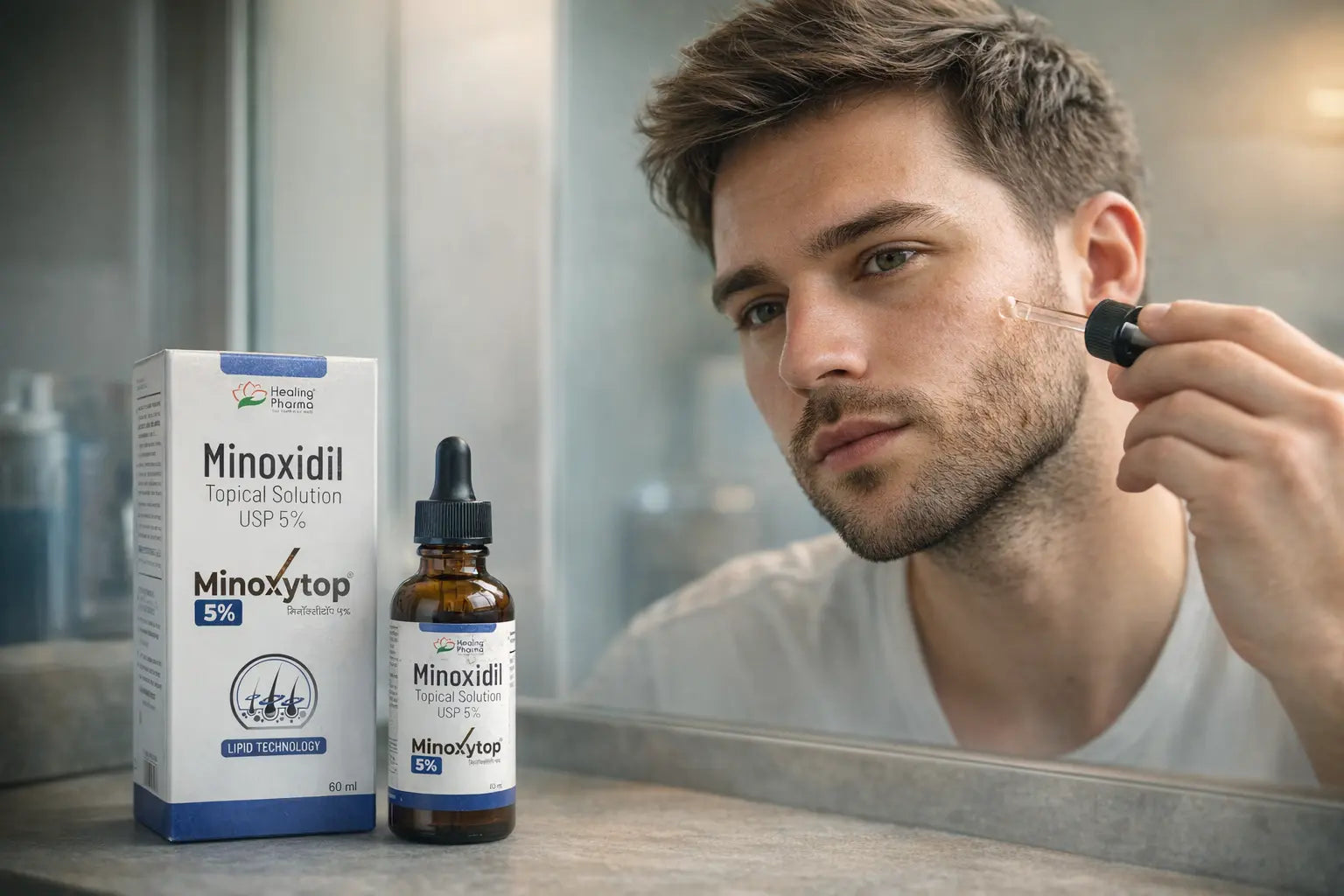
Many men struggle with uneven or patchy beard growth. One side fills in, while the other stays thin. Some see slow progress even after years. This leads to frustration and constant searching for solutions.
Minoxidil often appears in those searches. It is widely known for scalp hair growth, but many now use it for facial hair. This creates confusion. People ask whether it truly helps beard density. Others question if it is safe for the face. Many also assume it is some type of oil because it feels similar when applied.
Based on our analysis and user behavior data, most confusion comes from misunderstanding the product itself. Minoxidil is not a traditional hair oil. It is a topical vasodilator designed to support follicle stimulation. When applied correctly, it may encourage certain beard follicles to shift into the anagen phase, where active growth occurs.
In this guide, we will explain whether minoxidil can support beard development, how it actually works on facial hair, and the difference between liquid solutions and foam. We will also clarify safety basics so you understand realistic expectations before starting.
What Is Minoxidil and How Does It Work for Beard Growth?

Minoxidil started as a treatment for high blood pressure. Doctors later noticed increased hair growth as a side effect. That discovery led to its use for scalp thinning. Today, many men apply it to improve beard density. Many users who already use Minoxidil Topical Solution 60ml for hair growth on the scalp explore its use for beard areas as well, since the same active compound supports follicle activity in both regions.
Beard growth follows a natural cycle. Each follicle moves through growth, rest, and shedding stages. The active growth stage is called the anagen phase. The longer a follicle stays in this phase, the thicker the hair becomes.
Minoxidil works as a topical vasodilator. It widens small blood vessels in the applied area. This improves blood flow, oxygen delivery, and nutrient supply to follicles. Better support may increase follicle activity.
How Minoxidil Works for Beard Follicles
Many men want to understand how minoxidil works for beard growth. The key lies in follicle stimulation and cycle support. When circulation improves, weaker follicles may shift into the anagen phase.
Early growth often appears as thin vellus hairs. With consistent use, some of these may convert into thicker terminal hairs. This transition creates visible density.
Based on our analysis, results depend on facial hair genetics and DHT sensitivity. Minoxidil does not create new follicles. It activates follicles that already exist but remain weak. Beard growth with minoxidil requires patience and steady use.
Why Beard Hair Reacts Differently from Scalp Hair
Beard and scalp hair respond differently to hormones. Scalp follicles often shrink due to high DHT sensitivity. This leads to thinning. Men dealing with DHT related scalp thinning can read our guide to Minoxidil and Finasteride for Male Pattern Baldness to understand how these treatments work differently to support hair retention and regrowth. For scalp concerns, some users combine treatments like Finasteride Topical Solution 5% for hair loss with minoxidil, although this approach is specific to scalp hair and not typically used for beard growth. Beard follicles react in the opposite way.
Facial follicles contain androgen receptors that respond positively to testosterone and DHT. This is why beard density increases during beard maturation age, often in the late teens and twenties.
Facial hair genetics define natural coverage. Some men grow dense cheek hair. Others grow mainly along the jawline. Minoxidil cannot override genetic limits. It can only support existing follicles.
These differences explain why scalp hair may thin while beard hair grows stronger. Hormone response and genetics determine how much improvement is possible.
Can Minoxidil Be Used for Beard Growth?

Many men want a direct answer. Based on current evidence and our findings, minoxidil can support facial hair density in some users. It is not officially approved for beards, but off label use is common.
What Research Says
Research on minoxidil beard growth remains limited. Most large trials focus on scalp hair. These studies mainly confirm how minoxidil work for hair loss on the scalp, which is why its effectiveness for beard growth is still considered off label. Still, smaller studies show encouraging results. Men using topical minoxidil often show higher facial hair counts than placebo groups.
Before and after comparisons frequently show gradual density improvement. Patchy areas may fill in over several months. Results vary based on follicle responsiveness, facial hair genetics, and hormone activity.
Minoxidil does not create new follicles. It stimulates follicles that already exist but remain weak. That is why outcomes differ between individuals.
Who May See Better Results
Men with patchy beards often respond more clearly. In these cases, follicles are present but underactive. Minoxidil for patchy beard areas may increase activity in those zones.
Younger men below the full beard maturation age may also benefit. Facial hair continues developing into the late twenties for many men. Supporting follicles during this stage may improve density.
Men in the early stages of sparse growth usually respond better than those with very low follicle presence. If follicles are absent due to genetics, improvement remains limited.
Based on our analysis, realistic expectations matter. Minoxidil can assist beard development, but genetics still define the final limit.
Is Minoxidil an Oil or a Solution
Is Minoxidil Oil
Minoxidil is not a traditional oil used to nourish hair. It is commonly available in a minoxidil collection for hair loss, including liquid solutions designed for different user preferences. It is a topical medication formulated as a liquid solution or foam.
The liquid version contains active minoxidil mixed with alcohol, purified water, and penetration enhancers. These ingredients help the formula reach the hair follicles. Because the liquid spreads easily and leaves a slight shine before drying, many people assume it is oil. That is why minoxidil is called hair oil in casual discussions. The name is misleading and not medically correct.
Foam works differently. It does not feel greasy. It expands into a light texture when dispensed. Once applied, it absorbs quickly into the skin. Foam usually leaves less visible residue than liquid. Both forms deliver the same active compound. The difference lies in texture and base ingredients, not in oil content.
Minoxidil Oil vs Solution | What’s the Difference
When people compare minoxidil oil vs solution, they are usually comparing liquid and foam.
Liquid solution:
-
Thinner consistency
-
Spreads easily over the skin
-
Takes longer to dry
-
May cause more dryness in sensitive skin
Foam:
-
Light texture
-
Dries faster
-
Less surface shine
-
Often better tolerated on the face
People confuse it with oil because of how it feels after application. The skin may look glossy for a short time. This shine creates the oil impression. In reality, it is simply the solution base evaporating.
Based on our findings, the choice depends on skin tolerance and comfort. Neither form is an oil. Both are topical formulations designed to support follicle stimulation when used correctly.
How to Use Minoxidil for Beard Growth

How to Apply Minoxidil on Beard Correctly
Proper technique matters more than people think. Some users also include tools like a Derma Roller 0.5mm for scalp support to improve absorption, although facial use requires extra care due to sensitive skin. Many users fail because they apply it incorrectly. If you want results, follow a consistent minoxidil beard routine.
-
Start with clean, dry skin. Sweat or moisture can reduce absorption.
-
Apply the product directly to the skin, not just the beard hair. The follicles sit beneath the skin surface.
-
Use a small amount and spread evenly over thin areas.
-
Let it dry fully before washing your face or applying other skincare.
-
Wash your hands after application to prevent unwanted hair growth elsewhere.
When people ask how to use minoxidil for beard growth, the answer always includes consistency. Skipping days slows progress. Overapplying does not speed results. Based on our findings, correct technique and daily use matter more than increasing the amount.
Understanding how to apply minoxidil to beard areas properly improves absorption and reduces irritation risk.
How Long Does Minoxidil Take to Grow Beard?
Results take time. Many men expect quick changes, but hair growth follows a biological cycle. Here is a realistic overview.
-
First few weeks: You may notice nothing or see very fine, light hairs.
-
Early stage growth: Thin vellus hairs begin to appear in patchy areas.
-
Shedding phase: Some users experience temporary hair fall. This is known as the minoxidil beard shedding phase. It happens when resting hairs fall to allow new growth.
-
Density stage: Over several months, some vellus hairs may become thicker and darker. This transition improves visible coverage.
Many ask how long minoxidil takes to grow a beard. Visible changes often require several months of consistent use. Follicles need time to respond.
Some users worry and ask, can minoxidil cause hair loss before growth? Temporary shedding can occur. It usually signals a cycle adjustment rather than damage. If shedding is severe or persistent, medical advice is wise.
Beard development with minoxidil depends on genetics, hormone response, and discipline. Quick results are rare. Steady routines produce better outcomes.
Also Read: Minoxidil and Finasteride | Which Is Better for Hair Loss?
Is Beard Use of Minoxidil Safe?
The product is approved for scalp application, not facial use. Beard application is considered off label. That does not mean it is unsafe, but it requires caution.
Based on our findings, most healthy users tolerate topical use on the face when applied correctly. Problems usually occur when people overuse it or ignore skin reactions.
Common Mild Reactions on the Face
The most common side effects of minoxidil on beard areas are mild and local.
-
Dryness
-
Itching
-
Flaking
These reactions often happen during the first few weeks. The alcohol base in liquid formulas can dry the skin. Foam may feel gentler for some users. Keeping the skin clean and moisturized can reduce discomfort.
If irritation becomes intense or spreads beyond the application area, stop use and reassess.
When to Avoid Using It Without Medical Advice
Some individuals should not self start without guidance.
-
People with heart conditions
-
Those with uncontrolled blood pressure issues
-
Anyone with severe facial skin conditions, such as active dermatitis or eczema
Minoxidil affects blood vessel activity. Even though topical absorption remains low, caution matters. If you experience dizziness, chest discomfort, or swelling, stop immediately and seek medical advice.
Used responsibly, many men tolerate beard application well. Still, safety should always come before cosmetic goals.
Does Minoxidil Make Beard Growth Permanent?
It depends on hair type and duration of use. Minoxidil stimulates active follicles, but it does not change your genetics.
Beard hair starts as thin vellus strands. With consistent use, some may convert into thicker terminal hairs. Terminal hairs are darker and more stable. If you stop before this transition completes, weaker hairs may fade.
Some users ask, does beard hair fall out after stopping minoxidil? In certain cases, yes. Hairs that depended on continued stimulation may shed after stopping. Based on our findings, longer and consistent use improves the chance that stronger hairs remain.
Minoxidil can improve density in responsive follicles. It cannot create follicles where none exist. Facial hair genetics and beard maturation age still define the final limit.
FAQs
Can minoxidil be used for beard growth?
Yes, many men use it off label to improve facial hair density. Research is limited but promising. Based on our findings, it can support existing follicles, especially in patchy areas.
Does minoxidil work for beard?
It can work for some users. Results depend on facial hair genetics, DHT sensitivity, and consistency. It does not create new follicles. It supports weak or inactive ones.
Is minoxidil oil or a solution?
Minoxidil is not a traditional oil. It comes as a liquid solution or foam. The oily feel comes from the base ingredients, not from oil content.
Why do people call minoxidil a hair oil?
People call it hair oil because of its texture and shine after application. The skin may look glossy for a short time. This leads to confusion. Medically, it is a topical vasodilator solution.
How should minoxidil be applied on the beard?
Apply it on clean, dry skin. Spread it directly on the skin, not just on the hair. Let it dry fully before washing. Wash your hands after use. Consistency matters more than quantity.
How many times a day should I apply minoxidil for beard?
Most users apply it once or twice daily. Based on common practice, spacing applications evenly works best. Do not overapply to speed results.
What percentage of minoxidil is best for beard?
Many users choose 5 percent formulations. Lower strengths may suit sensitive skin. Higher strength does not guarantee faster growth. Skin tolerance should guide the choice.
Can minoxidil fill beard gaps?
It may help fill gaps if follicles exist but remain weak. It cannot create hair where follicles are absent due to genetics.
Will minoxidil grow a full beard?
It may improve density and coverage in responsive areas. It cannot override facial hair genetics. Your beard maturation age and hormone response still matter.
Does minoxidil work if I have no beard?
If no follicles exist in a specific area, the results will be limited. Minoxidil supports follicles that are present but inactive.
Can I use hair minoxidil on my beard?
Yes, many users apply standard topical formulations to the beard area. Since this use is off label, consult a medical professional if you have underlying health concerns.
Conclusion
Minoxidil can support beard density by stimulating existing follicles and encouraging transition from vellus hair to terminal hair. Results depend on facial hair genetics, DHT sensitivity, and consistent application. It is not an oil but a topical vasodilator available as a liquid solution or foam. Based on our findings at tretinoins.co.za, realistic expectations and disciplined use improve outcomes, while genetics still define the final limit.