Cart
0
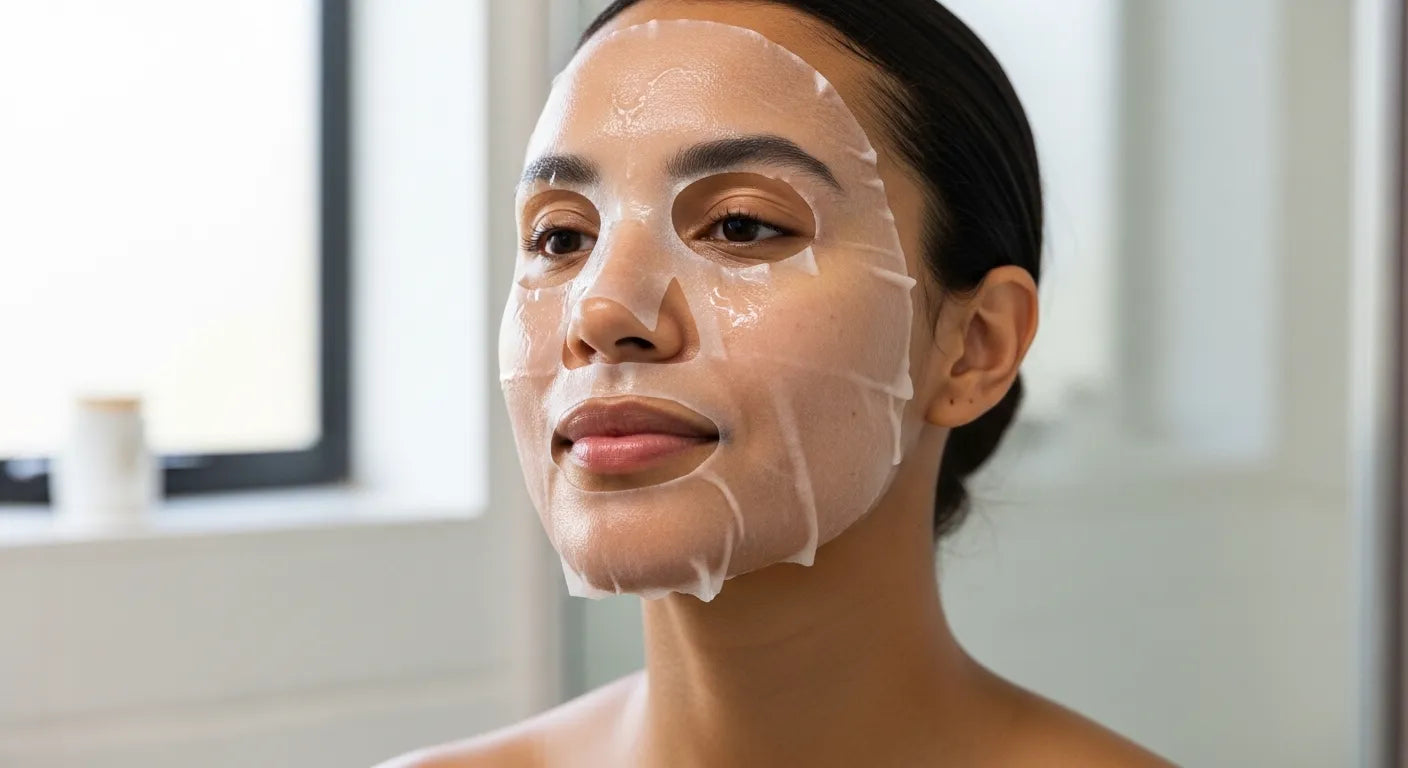
A vitamin C hyaluronic sheet mask is a single-use face mask soaked in a serum that contains Vitamin C and hyaluronic acid. It sits on the skin for about 15–20 minutes and helps deliver hydration and antioxidant support in a short time. If you’re wondering what a vitamin C hyaluronic mask, it’s simply a targeted treatment designed to refresh dull, dehydrated skin.
It is a thin fabric or biocellulose sheet infused with serum, similar to the hydrating formats explained on tretinoins.co.za. You place it over your face, and it acts like a barrier. This barrier reduces evaporation and helps the skin absorb more of the ingredients during that short window, which improves short-term hydration levels and moisture retention.
These two ingredients often appear together for a reason. Vitamin C supports brighter-looking skin and helps defend against oxidative stress. Hyaluronic acid focuses on moisture retention and skin plumping. Based on our findings, pairing hydration with antioxidant skincare improves comfort and reduces dryness that sometimes comes with active ingredients.
In this guide, we break everything down in simple terms. You will learn how it works, who should use it, how often to apply it, and when to be careful. Our goal is to help you understand the science, not just the surface benefits, so you can decide if this type of mask suits your skin.
What Is a Vitamin C Hyaluronic Sheet Mask?

A vitamin C sheet mask is a pre-soaked fabric mask designed to deliver concentrated serum to the skin in a short session, often used within routines focused on Skin Brightening and Hyperpigmentation. It combines antioxidant skincare support from Vitamin C with deep moisture support from hyaluronic acid.
The sheet sits directly on the face and helps the ingredients stay in close contact with the skin surface, which supports better absorption during that limited time. This format focuses on controlled delivery. It does not work like a daily cream. It acts as an intensive boost for hydration levels and surface brightness.
What Is a Sheet Mask
In skincare, a sheet mask is a thin layer of cotton, hydrogel, or biocellulose infused with active serum. The sheet follows the shape of the face and holds the liquid against the skin. This design creates a light occlusive layer. That layer slows down evaporation and supports better short-term absorption.
Because the serum remains sealed under the sheet, moisture retention improves during the application window. The skin absorbs more hydration than it would from a serum applied alone, which makes this format different from strength-based treatments like Tretinoin 0.025 vs 0.05, where concentration determines intensity rather than delivery style. This is one reason many users feel instant softness and skin plumping after removal, especially when dehydration affects the skin barrier.
Sheet masks work differently from rinse-off masks. A rinse-off mask dries or sets on the skin and then gets washed away. A sheet mask stays moist throughout use and allows the remaining serum to sink in after removal. This difference affects how hydration and antioxidant ingredients interact with the skin barrier.
Based on our findings, sheet masks can support a temporary glow and improved hydration when used correctly. They work best as a complementary step within a broader skincare routine rather than a replacement for long-term treatment products, especially when compared to targeted options like Hydroquinone Cream South Africa, which address deeper pigmentation concerns.
What Makes It Different From Regular Serums?
A vitamin C hyaluronic mask uses a sealed delivery system. A regular serum absorbs quickly, and some of it evaporates. A sheet mask stays on the skin and reduces water loss. This creates a short absorption window of about 15 – 20 minutes.
During this time:
-
Hydration levels rise due to moisture retention
-
Hyaluronic acid supports skin plumping
-
Vitamin C supports antioxidant skincare against oxidative stress
-
The skin barrier stays covered, which improves surface absorption
This explains why results look immediate. The skin feels softer and looks brighter after one use.
A daily serum builds results slowly. A sheet mask works as an intensive boost. It does not replace long-term skincare.
Based on our findings, sheet masks really hydrate skin in the short term. They improve comfort and glow, especially on dull skin. However, consistent daily care remains important for lasting results.
Ingredient Science: How It Works on Skin
How Vitamin C Works on Skin
Vitamin C plays a key role in antioxidant skincare. It helps protect the skin from oxidative stress caused by pollution and UV exposure. This reduces visible damage and supports a healthier skin barrier.
It also supports collagen production. Collagen keeps skin firm and elastic. When collagen drops, fine lines appear. Vitamin C helps maintain this structure.
Another important role involves melanin control. Melanin affects skin color. When it becomes uneven, dark spots and uneven skin tone develop. Vitamin C helps regulate this process, which supports brighter-looking skin, especially for users who later explore stronger options like where to buy tretinoin in South Africa for deeper pigmentation support. For routines that require stronger pigment correction, some users later consider tretinoin cream 0.025% tretiheal to support gradual skin renewal.
This explains many vitamin C for skin benefits. The benefits of vitamin C sheet mask include improved glow and support for dull skin. Is vitamin C sheet mask good for dull skin? Based on our findings, it helps when dullness links to dehydration or environmental stress.
Vitamin C can lose strength when exposed to light and air. The sheet format limits exposure during use, helping maintain stability in that short window.
How Hyaluronic Acid Works on Skin
Hyaluronic acid exists naturally in the skin. It supports hydration levels by attracting and holding water.
To understand how does hyaluronic acid sheet mask work, focus on moisture retention. Hyaluronic acid binds water and helps reduce dehydration. It also slows transepidermal water loss, which means less water escapes from the skin.
Larger molecules support surface hydration. Smaller ones support deeper hydration. Both contribute to skin plumping and a smoother texture.
Among the benefits of hyaluronic acid sheet mask, the most noticeable are improved smoothness, hydration, and temporary plumpness.
Why Vitamin C and Hyaluronic Acid Are Used Together

These two ingredients support different skin needs. They work better as a pair than alone.
-
Complementary functions:
- Vitamin C focuses on antioxidant protection and collagen production
- Hyaluronic acid focuses on hydration levels and moisture retention.
-
Hydration reduces irritation risk:
-
Vitamin C can feel active on dry skin.
-
Hyaluronic acid supports the skin barrier and improves comfort during use.
-
Based on our findings, hydrated skin tolerates active ingredients better.
-
-
Barrier support:
- Hyaluronic acid reduces dehydration and limits transepidermal water loss
- This keeps the skin barrier stable while Vitamin C works on tone and dull skin.
-
Stability considerations:
-
Vitamin C reacts to light and air.
-
When paired with hydrating ingredients, it often feels less harsh during short contact treatments like sheet masks.
-
-
Layering science (brief):
-
Hydrated skin absorbs water-based ingredients more evenly.
-
Hyaluronic acid creates a moist surface that supports smoother application of Vitamin C.
-
-
Vitamin C vs hyaluronic acid for skin:
-
This is not a competition.
-
Vitamin C supports brightness and helps with uneven skin tone.
-
Hyaluronic acid supports skin plumping and reduces dryness.
-
Together, they address dull skin and dehydration at the same time.
-
What Happens During the 15–20 Minutes
A vitamin C hyaluronic sheet mask works in short phases. The effect builds gradually during the application time.
-
Minutes 1 – 5: Hydration layer forms
-
The sheet creates a light seal over the skin.
-
Hyaluronic acid begins attracting water.
-
Hydration levels increase, and surface dryness reduces.
-
-
Minutes 5 – 10: Active ingredients begin working
-
The occlusive layer limits evaporation.
-
Vitamin C starts supporting antioxidant defense against oxidative stress.
-
The skin barrier stays moist, which improves absorption.
-
- Minutes 10 – 15: Peak saturation phase
-
-
The upper layers hold more moisture.
-
Skin plumping becomes visible.
-
Dull skin often appears smoother and more refreshed.
-
- After removal: Continued absorption
-
-
Remaining serum supports moisture retention.
-
Gentle patting helps maintain hydration without rinsing.
-
Results such as improved glow and softness appear within this short window. However, tone correction and collagen production require consistent use over time.
Sheet masks improve short-term hydration. They support comfort and reduce visible dehydration. Long-term skin health still depends on daily care and barrier support.
Do not leave the mask on until it dries. Once dry, the fabric may begin drawing moisture back from the skin, which can reduce the hydration benefit.
Skin Concerns It May Help With

A vitamin C hyaluronic face mask supports several common skin concerns. The results are supportive, not medical.
-
Dull skin:
-
Vitamin C improves surface brightness.
-
The skin looks fresher after use.
-
-
Dehydration:
-
Hyaluronic acid increases hydration levels.
-
It supports moisture retention and reduces tightness.
-
-
Uneven skin tone:
-
Vitamin C helps regulate visible pigmentation.
- For stubborn melasma or dark patches, some routines include the Melasma & Dark Patches Bundle for tone balance.
-
Mild discoloration may look softer with consistent use.
-
-
Early fine lines:
-
Improved hydration leads to temporary skin plumping.
-
Fine lines linked to dryness appear less noticeable.
-
-
Environmental stress:
-
Antioxidant support helps reduce visible impact from pollution and sun exposure.
- Salicylic Acid and Nicotinamide Gel 30g helps clear pores and calm breakouts, complementing Vitamin C routines for clearer skin.
-
-
Mild pigmentation support:
-
With regular use, surface tone may appear more balanced.
-
Deep pigmentation requires targeted treatment.
-
For stubborn discoloration, structured routines such as the Hyperpigmentation & Dark Spots Bundle or Hydroquinone Cream 4% are often used to support gradual tone correction. Based on tretinoins.co.za, the benefits of the vitamin C sheet mask focus on hydration, glow, and short-term tone improvement. The benefits of face mask sheet formats mainly relate to enhanced delivery and temporary comfort.
This type of mask does not replace prescription treatments. It is not a permanent pigmentation solution. The glow is often immediate but temporary. Long-term improvement depends on cumulative care and a consistent routine.
How to Use a Vitamin C Hyaluronic Sheet Mask Properly

Proper use improves results and protects the skin barrier.
-
Cleansing:
-
Start with a clean face.
-
Remove oil, dirt, and sunscreen.
-
Clean skin improves absorption and hydration levels.
-
-
Application:
-
Unfold the mask and place it evenly over the face.
-
Smooth out air pockets so the sheet makes full contact.
-
-
Timing:
-
Leave it on for 15 – 20 minutes.
-
This allows moisture retention and antioxidant support to work properly.
-
Do not leave it on until dry. A dry sheet can start pulling moisture back from the skin.
-
-
Aftercare:
-
Remove the mask and gently pat in the remaining serum.
-
Do not rinse. Rinsing removes active ingredients that continue absorbing after removal.
-
-
Seal hydration:
-
Follow with a light moisturizer.
-
This step locks in hydration and supports skin plumping.
-
If used during the day, apply sunscreen afterward. Vitamin C supports antioxidant skincare, but sunscreen protects against UV exposure and prevents further oxidative stress.
Based on our findings, correct timing and sealing hydration make a noticeable difference in comfort and glow.
How Often Should You Use Vitamin C Face Mask
A vitamin C hyaluronic face mask works best when used 1–2 times per week. This frequency supports hydration levels and skin plumping without overwhelming the skin barrier. It provides an intensive boost, not a daily replacement for regular skincare.
You may increase use slightly during seasonal dryness or before special events when dull skin needs a quick refresh. Reduce frequency if the skin feels sensitive, especially when using strong actives like prescription retinoids. When combining sheet masks with active routines, many users space them apart from tretinoin creams to avoid unnecessary irritation. Daily use is usually unnecessary because the mask delivers concentrated hydration in a short window.
There is also a clear difference between instant glow and long-term skin health. The glow appears quickly due to improved moisture retention and smoother texture. Long-term improvement in uneven skin tone and collagen production depends on consistent daily care and sun protection.
Adjust frequency if:
-
Skin feels irritated or tight
-
Redness lasts longer than expected
-
You are combining multiple active ingredients
Based on our findings, balanced use protects the skin barrier and delivers better overall results.
Common Myths About Vitamin Sheet Mask
There are many misunderstandings around sheet masks and active ingredients. Clearing these myths helps set realistic expectations.
-
One mask removes dark spots: A single use can improve brightness, but it does not erase pigmentation. Melanin changes take time and consistent care.
- People comparing treatment options for deeper pigment issues often read Best Tretinoin Strength for Acne, Dark Spots, and Wrinkles to understand how different strengths affect skin tone and texture.
-
More time means better results: Leaving a mask on longer does not improve absorption. Once the sheet dries, it can reduce moisture retention instead of improving it.
- For more persistent pigmentation issues, treatments such as Hydroquinone, Tretinoin, Mometasone Furoate Cream are sometimes used within guided routines.
-
All Vitamin C forms are equal: Different forms vary in strength and stability. Some support collagen production better than others. Concentration and formulation matter.
-
Sheet masks replace moisturizer: A mask increases hydration levels temporarily. It does not replace daily barrier support from a moisturizer.
-
Sheet masks are only for dry skin: While they help with dehydration, dull skin, and uneven skin tone can also benefit from antioxidant skincare and improved moisture balance.
Based on our analysis, understanding these limits improves results and protects long-term skin health.
FAQs
Q: What is a vitamin C hyaluronic sheet mask?
A vitamin C hyaluronic sheet mask is a pre-soaked fabric mask designed to deliver antioxidant and hydrating ingredients in one session. Vitamin C supports brightness and collagen production, while hyaluronic acid improves moisture retention and skin plumping. It is used for short-term hydration and glow.
Q: How does a vitamin C sheet mask work?
It works by placing a serum-soaked sheet over the skin, creating a light seal. This reduces evaporation and improves short-term absorption. Vitamin C supports antioxidant protection against oxidative stress, while hydration levels increase during the 15–20 minute application period.
Q: What does a vitamin C face mask do for skin?
A vitamin C face mask helps improve surface brightness, supports uneven skin tone, and boosts antioxidant skincare defense. It may soften the look of dull skin and provide temporary glow. Long-term changes depend on consistent use and daily sun protection.
Q: What are the benefits of vitamin C sheet mask?
The main benefits include brighter-looking skin, support for collagen production, improved tone clarity, and protection against environmental stress. It may also reduce the appearance of mild discoloration when used regularly as part of a balanced routine.
Q: What are the benefits of hyaluronic acid sheet mask?
Hyaluronic acid improves hydration levels and supports moisture retention. It reduces dehydration, smooths texture, and enhances skin plumping. This leads to softer and more comfortable skin after use.
Q: Do vitamin C sheet masks actually work?
They work for short-term hydration and brightness. Visible glow often appears after one session due to improved moisture retention. However, long-term improvement in pigmentation and fine lines requires consistent skincare and barrier support.
Q: Can sheet masks brighten skin?
Yes, they can improve brightness temporarily. Vitamin C supports tone balance and reduces the appearance of dull skin. The effect is often linked to improved hydration and smoother surface texture.
Q: Do sheet masks really hydrate skin?
Yes, they increase short-term hydration. The occlusive layer limits water loss and improves moisture retention. This leads to smoother and softer skin, especially when dehydration is present.
Q: Can you use vitamin C and hyaluronic acid together?
Yes, they complement each other. Vitamin C supports antioxidant protection and tone clarity, while hyaluronic acid improves hydration levels. Together, they improve comfort and reduce dryness during active skincare use.
Q: How often should I use a hyaluronic acid sheet mask?
Most people benefit from using it 1–2 times per week. This supports hydration without overwhelming the skin barrier. Frequency may vary based on skin type and overall routine.
Q: Do I wash my face after using a sheet mask?
No, after removing the sheet, gently pat the remaining serum into the skin. Rinsing removes active ingredients that continue absorbing during the residual phase.
Q: Is a vitamin C sheet mask good for dull skin?
Yes, it supports brightness and improves hydration levels. Dull skin often relates to dehydration or environmental stress. When used regularly, it can improve overall glow and surface clarity.
Q: Does a hyaluronic acid sheet mask hydrate skin?
Yes, it improves short-term hydration. Does a hyaluronic acid sheet mask help dry skin? It supports comfort and softness when dryness relates to low moisture retention.
Conclusion
A vitamin C hyaluronic sheet mask combines antioxidant skincare with targeted hydration to support brighter, smoother-looking skin. Vitamin C helps defend against oxidative stress and uneven skin tone, while hyaluronic acid improves moisture retention and skin plumping. Based on our findings, it works best as a short-term hydration boost within a consistent routine. For lasting improvements in collagen production and skin barrier health, regular care and sun protection remain essential.