Cart
0
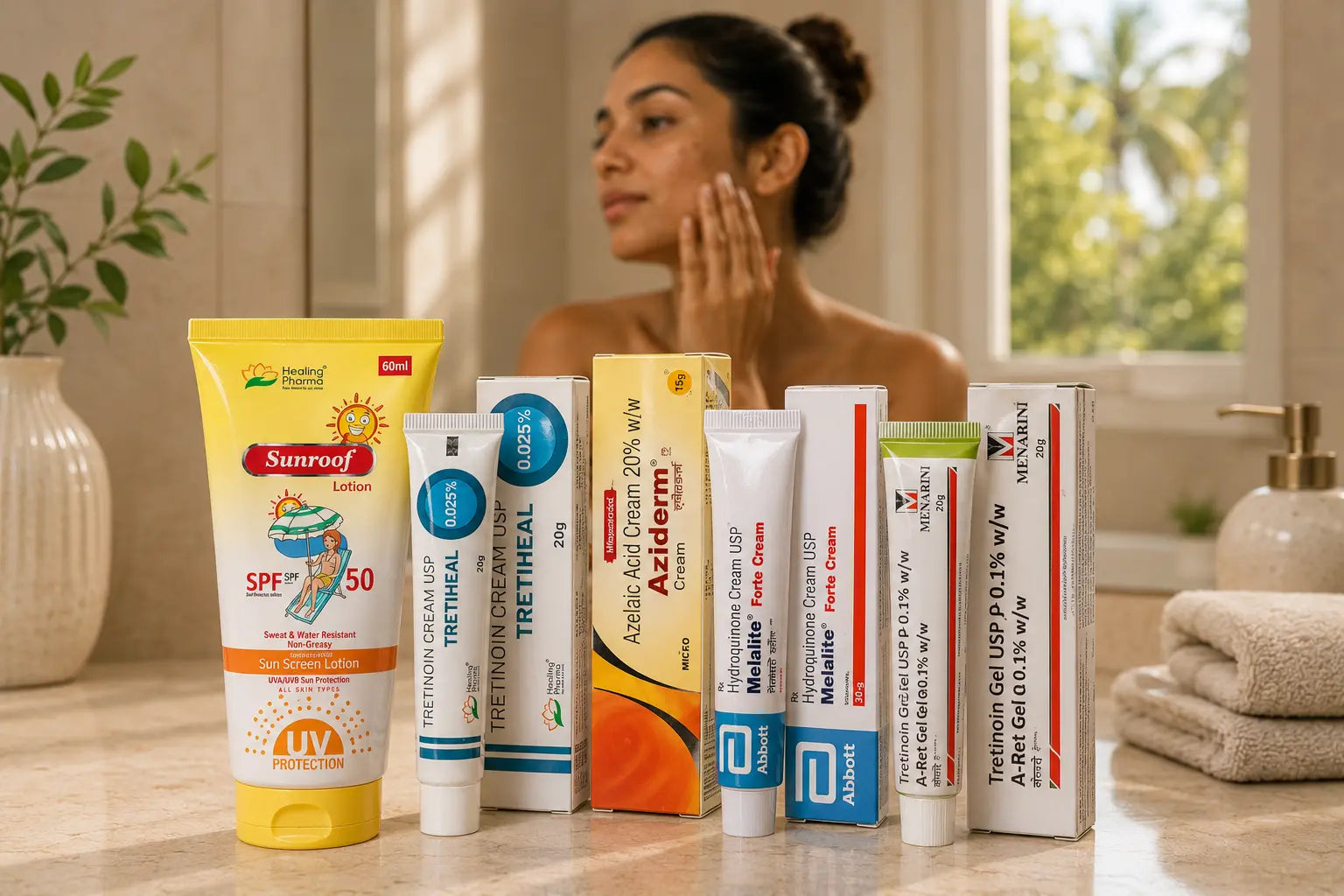
Many people in South Africa struggle with acne marks, dark spots, and uneven skin tone long after breakouts heal. Some notice flat brown marks after pimples, while others deal with larger dark patches linked to melasma, sun exposure, or irritation. The problem is that these concerns often look similar, but they do not always need the same treatment.
Based on our findings, many people start strong skincare too quickly without understanding whether they have post-inflammatory hyperpigmentation (PIH), active acne, or deeper pigmentation. This can lead to more redness, dryness, peeling, and a damaged skin barrier. In some cases, sun exposure can make dark spots appear even darker, especially in South Africa’s strong UV conditions.
The right treatment usually depends on what your skin is actually dealing with. Acne-prone skin with clogged pores, blackheads, whiteheads, and active breakouts may need a different approach from stubborn melasma or dark patches caused by excess melanin production. Products like tretinoin cream, tretinoin gel, azelaic acid, hydroquinone, and SPF 50 sunscreen all fit differently depending on your skin concern, skin type, and tolerance.
According to our analysis at tretinoins.co.za, many people see better results when they focus on both treatment and skin protection together. A simple routine with the right cleanser, moisturiser, sunscreen, and targeted active can support skin renewal without pushing the skin too hard.
In this guide, we’ll break down the difference between acne marks and dark spots, explain where tretinoin, azelaic acid, and hydroquinone fit, and help you choose the right direction for pigmentation and breakouts in South Africa.
Acne Marks and Dark Spots Are Not Always the Same

Many people use the terms acne marks and dark spots interchangeably, but they are not always the same skin concern. This is one reason people often choose the wrong pigmentation treatment and end up frustrated with slow results.
Acne marks usually appear after pimples, breakouts, or inflamed acne heal. These marks are often flat brown or dark patches left behind after inflammation. According to our findings, this type of post-inflammatory hyperpigmentation (PIH) is very common in acne-prone skin, especially when pimples are picked, squeezed, or repeatedly irritated. Unlike deep acne scars, these marks usually sit on the surface and are linked to uneven melanin production after the skin heals.
Dark spots can come from several other triggers too. Sun exposure, melasma, hormonal pigmentation, skin irritation, and a damaged skin barrier can all lead to uneven skin tone and stubborn pigmentation. In South Africa, strong UV exposure can make existing dark patches appear darker and harder to fade, especially without daily SPF 50 sunscreen.
We also found that many people deal with both active acne and pigmentation at the same time. Someone with oily skin or combination skin may still have clogged pores, blackheads, whiteheads, and active pimples while also trying to treat post-acne marks. In these cases, focusing only on dark spots without controlling breakouts can make the cycle continue.
This is why treatment choice matters. Some people may benefit more from acne-focused products like tretinoin gel or acne treatments, while others may need skin brightening support with azelaic acid, hydroquinone, sunscreen, and barrier-friendly skincare.
Quick Difference: Acne Marks, Dark Spots and Melasma

Many people struggle to tell the difference between post-acne marks, dark spots, and melasma. They can look similar at first, but the triggers and treatment direction are often different. Based on our findings, understanding this difference helps people choose the right skincare instead of layering random products together.
|
Concern |
What it looks like |
Common trigger |
Product direction |
|
Acne marks / PIH |
Flat brown marks after pimples |
Breakouts, picking, inflammation |
Azelaic acid, tretinoin, SPF |
|
Dark spots |
Small or patchy darker areas |
Sun exposure, irritation, healed acne |
Hydroquinone, azelaic acid, SPF |
|
Melasma |
Larger brown or grey patches |
Sun, hormones, heat |
Hydroquinone, azelaic acid, tretinoin support, SPF |
According to our analysis at tretinoins.co.za, many people in South Africa deal with a mix of these concerns together. Someone may have active acne on the jawline, post-inflammatory hyperpigmentation on the cheeks, and melasma around the upper lip or forehead at the same time. This is why one single product does not always solve everything. Many users also explore Hyperpigmentation & Dark Spots Bundle options when dealing with multiple pigmentation concerns together.
The goal is to match the treatment to the actual skin concern while protecting the skin barrier and avoiding unnecessary irritation.
If You Still Have Active Breakouts, Treat the Acne First
Dark marks will keep coming back if new pimples keep forming. This is why active acne needs attention first, not only the marks left behind.
When pimples become inflamed, the skin can produce extra melanin as it heals. This can leave post-acne marks, especially on acne-prone skin. Picking or squeezing breakouts can make the marks darker and more stubborn.
Tretinoin can be a good option when acne marks appear with clogged pores, rough texture, blackheads, whiteheads, and regular breakouts. As a retinoid, it supports skin cell turnover and helps keep pores from becoming blocked.
The formula type also matters:
-
Tretinoin gel may suit oily skin, combination skin, and acne-prone skin.
-
Tretinoin cream may suit normal to dry skin that needs a softer feel. Many users also compare options inside Tretinoin Creams when building routines for acne marks, uneven texture, and breakouts.
-
Acne treatments may help when breakouts, pimples, and clogged pores are still active.
Based on our findings, people often get better results when they control new breakouts while treating existing pigmentation. If acne keeps returning, the skin keeps making new marks. Many users also browse shop all tretinoin products sections when comparing textures, strengths, and acne focused routines.
If Your Main Problem Is Post-Acne Marks
Post-acne marks are very common after inflamed pimples heal. These marks often appear as flat brown patches on the cheeks, forehead, chin, or jawline. In many cases, the acne starts improving, but the uneven skin tone stays behind for weeks or even months.
Based on our findings, many people focus only on strong exfoliation or harsh spot treatments, which can increase irritation and make pigmentation look worse. A calmer and more consistent routine usually works better for post-inflammatory hyperpigmentation (PIH).
Azelaic acid is often a good fit when acne marks appear with redness, acne-prone skin, or uneven texture. It can suit people who still get occasional breakouts while trying to fade dark spots at the same time. Many users also prefer it when their skin feels sensitive or reactive. For a clearer comparison, read our guide to tretinoin and azelaic acid for acne marks, including how each option may fit PIH, redness, active breakouts, and sensitive skin.
Tretinoin may support skin renewal and rough texture, especially when acne marks appear with clogged pores or dull-looking skin. However, tolerance matters. Starting too strong or using too many active products together can lead to dryness, peeling, and a weakened skin barrier.
Daily SPF 50 sunscreen is also important. Sun exposure can make acne marks appear darker and slower to fade, especially in South Africa’s strong UV conditions. According to our analysis at tretinoins.co.za, people often overlook sunscreen while focusing only on treatment products, which can slow overall progress.
Also read for: Azelaic Acid Vs Salicylic Acid: Which Is Better for Acne Marks?
If You Have Stubborn Dark Patches or Melasma

Melasma and stubborn pigmentation usually need a different approach from regular post-acne marks. These darker patches often sit deeper in the skin and can return easily after sun exposure, heat, irritation, or hormonal changes.
Unlike small acne marks, melasma often appears as larger brown or grey patches around the cheeks, forehead, upper lip, or jawline. Some people also compare options inside Melasma & Dark Patches Bundle routines when targeting uneven tone and stubborn pigmentation support. According to our findings, many people in South Africa mistake melasma for normal dark spots and keep changing products too quickly when they do not see fast results.
Hydroquinone is commonly used for targeted pigmentation support, especially for stubborn dark spots, uneven skin tone, and melasma. Many people also compare products inside Skin Brightening and Hyperpigmentation Products when treating uneven tone and stubborn pigmentation concerns. It works differently from a normal moisturiser or cosmetic brightening cream. The goal is usually to target excess melanin production in specific areas instead of applying random layers of strong products across the whole face. Some users also search for hydroquinone tretinoin and mometasone furoate Skinshine cream when exploring pigmentation focused skincare routines.
Careful use matters. Overusing strong pigmentation products can increase redness, irritation, dryness, and peeling, especially when the skin barrier is already weak. Based on our analysis at tretinoins.co.za, people often get better results when they start slowly and stay consistent instead of using too many active ingredients together.
A few important points to keep in mind:
-
Always patch test first
-
Avoid overuse or long uncontrolled use
-
Use sunscreen daily
-
Protect the skin from unnecessary sun exposure
-
Stop if severe irritation develops
SPF 50 sunscreen is especially important with hydroquinone because UV exposure can trigger pigmentation again, even while treating it. Many people also compare Hydroquinone Cream for Dark Spots and Melasma in South Africa when researching pigmentation support options.
Where Tretinoin Fits in Dark Marks and Skin Texture

Many people think tretinoin is only for pimples, but it can also support uneven-looking skin, rough texture, and post-acne marks. This is one reason tretinoin stays popular in active skincare routines for acne-prone skin.
As a vitamin A derivative and topical retinoid, tretinoin supports skin cell turnover and skin renewal. Tretinoin is also commonly explored inside Anti-Wrinkle Treatments because skin renewal support may help rough texture and visible ageing signs over time. This process may help reduce clogged pores while improving the look of rough texture, blackheads, whiteheads, and dull-looking skin over time.
According to our findings, people often notice that acne marks and uneven tone become more visible when dead skin cells, breakouts, and congestion continue building up together. Some users also explore topics like Tretinoin Strength for Flat Warts while researching broader tretinoin uses and skin renewal support. In these cases, tretinoin may support both acne control and smoother-looking skin texture at the same time.
The formula type can also make a difference:
-
Tretinoin gel may suit oily skin and combination skin. People with oily or acne prone skin also explore Tretinoin Gels because lighter textures often feel more comfortable during regular use.
-
Tretinoin cream may feel more comfortable on normal to dry skin
-
Lower strengths are often easier for beginners to tolerate. Many users also compare Tretinoin 0.05% vs 0.1% when deciding between stronger renewal and lower irritation risk.
Tretinoin may also be paired carefully with pigmentation products like azelaic acid or hydroquinone, depending on the skin concern and tolerance level. However, not every active ingredient should be started together on the same night. Using too many strong products at once can increase irritation, peeling, redness, and dryness.
Based on our analysis at tretinoins.co.za, beginners usually do better when they start lower and slower instead of chasing fast results. A simple routine with gradual use, moisturiser support, and daily SPF often feels easier for the skin barrier to handle over time.
Why SPF 50 Matters More in South Africa

Many people focus only on tretinoin, azelaic acid, or hydroquinone while ignoring sunscreen. The problem is that pigmentation often keeps returning when the skin stays exposed to strong UV rays.
South Africa has high sun exposure for most of the year, and this can make dark spots, melasma, and post-acne marks harder to control. According to our findings, people often see temporary improvement from pigmentation products, but the marks darken again because daily sun protection is missing.
SPF 50 sunscreen helps protect the skin from UVA and UVB exposure that can trigger excess melanin production. This becomes even more important when using active skincare like tretinoin, hydroquinone, or exfoliating acids because the skin may become more sun-sensitive.
Daily sunscreen use should feel like part of the treatment, not an optional extra. This includes:
-
sunny outdoor days
-
driving for long periods
-
outdoor work
-
sweating or sports activities
-
beach or pool exposure
Reapplication also matters. If you stay outdoors, sweat heavily, or spend hours driving in direct sunlight, sunscreen protection fades throughout the day.
Based on our analysis at tretinoins.co.za, many people underestimate how much UV exposure affects pigmentation recovery. Even a strong routine may struggle without proper sun protection.
A broad-spectrum SPF 50 like Sunroof Sunscreen lotion can fit well into routines focused on acne marks, uneven skin tone, melasma, and active skincare support. You can also explore more options in the Sun Protection collection.
How to Choose Based on Your Skin Type
The best skincare direction often depends on your skin type, not only the product itself. Based on our findings, many people overload their skin with strong activities without checking whether their skin barrier can actually handle them.
A routine that works well for oily, acne-prone skin may feel too harsh for dry or sensitive skin. Choosing the right Best Tretinoin Strength for Acne and Dark Spots often depends on skin tolerance, active breakouts, and pigmentation concerns together. This is why choosing the right texture, strength, and treatment pace matters.
|
Skin type / concern |
Better starting direction |
|
Oily skin + clogged pores |
Tretinoin gel or acne treatment support |
|
Dry skin + rough texture |
Tretinoin cream + moisturiser |
|
Sensitive skin + dark marks |
Azelaic acid + SPF first |
|
Stubborn melasma |
Hydroquinone-focused routine + SPF |
|
Marks + active acne |
Treat acne and pigmentation together slowly |
According to our analysis at tretinoins.co.za, people often get better long-term results when they start with a routine their skin can tolerate consistently. Pushing the skin too hard with multiple active ingredients can lead to redness, peeling, dryness, and more visible pigmentation.
If your skin feels irritated easily, it may help to focus on gentle cleansing, moisturiser support, and sunscreen before adding stronger treatments too quickly.
A Simple Routine Direction for Marks and Breakouts
A simple routine is usually easier for the skin barrier to handle, especially when dealing with acne marks, breakouts, and uneven skin tone.
Morning
-
Use a gentle cleanser
-
Apply moisturiser if your skin feels dry
-
Finish with SPF 50 sunscreen daily
Evening
-
Use one active product at a time
-
Keep the routine simple and consistent
-
Support the skin with moisturiser if needed
Based on our findings, beginners often irritate their skin by starting tretinoin, hydroquinone, exfoliating acids, and multiple treatments together. This can increase redness, peeling, dryness, and post-inflammatory hyperpigmentation (PIH) in some people.
Starting slower usually helps the skin adjust more comfortably over time.
When to Ask for Help Before Choosing
Some skin concerns need extra care before starting active skincare. Based on our findings, people often push through irritation or mix too many products together, which can make pigmentation and breakouts worse instead of better.
It may help to get proper guidance first if you have:
-
Pregnancy or breastfeeding
-
Very sensitive skin
-
Burning, stinging, or severe redness
-
Heavy peeling or a damaged skin barrier
-
Long-term melasma that keeps returning
-
Dark patches spreading quickly
-
Multiple active products already in your routine
According to our analysis at tretinoins.co.za, stronger ingredients like tretinoin, hydroquinone, and exfoliating acids usually work better when introduced slowly and carefully. If the skin already feels irritated, dry, or inflamed, focusing on barrier support, moisturiser, gentle cleansing, and SPF may be a better starting point before adding stronger pigmentation treatments.
Best Product Direction by Concern
Choosing the right product category becomes easier when you start with the main concern. This helps avoid buying a strong active that does not match your skin’s current needs.
|
Concern |
Suggested category |
|
Pimples + clogged pores |
Acne Treatments / Tretinoin Gels |
|
Acne marks |
Azelaic Acid / Tretinoin / SPF |
|
Melasma |
Skin Brightening / Hydroquinone / SPF |
|
Dryness from actives |
Skincare Essentials |
|
Sun-darkened marks |
Sun Protection |
Based on our findings, most people need a focused routine, not many products at once. If breakouts are still active, start with acne support. If the main concern is pigmentation, choose targeted brightening support and daily SPF.
For dry, peeling, or irritated skin, repair comes first. Some users also explore hair loss solution support while building broader skincare and self care routines. A gentle cleanser, moisturiser, and sunscreen can help the skin barrier before adding stronger activities again.
FAQs
Are acne marks and dark spots the same?
Not always. Acne marks usually appear after pimples heal. Dark spots can also come from sun exposure, melasma, irritation, or hormonal pigmentation.
What helps dark marks after pimples?
Azelaic acid, tretinoin, and SPF can help support post-acne marks. The right choice depends on your skin type, acne activity, and tolerance.
Is tretinoin good for acne marks?
Tretinoin may help when acne marks appear with clogged pores, rough texture, blackheads, whiteheads, or acne-prone skin. Start slowly to avoid irritation.
Is azelaic acid good for pigmentation?
Yes, azelaic acid can suit uneven tone, post-acne marks, redness, and acne-prone skin. It is often a good first choice for sensitive skin.
Is hydroquinone better for melasma?
Hydroquinone is often used for stubborn pigmentation, dark patches, and melasma. It should be used carefully with SPF and not like a daily moisturiser.
Can sunscreen help dark spots fade?
Sunscreen helps stop dark spots from getting darker. SPF 50 is important in South Africa because UV exposure can trigger more melanin production.
Can I use tretinoin and azelaic acid together?
Some people can use both, but beginners should not start them together too quickly. Start one active first, then add the next slowly if your skin tolerates it.
Why do my dark spots keep coming back?
Dark spots can return because of sun exposure, heat, hormones, active breakouts, picking pimples, or irritation from strong products. Daily SPF helps reduce this cycle.
Conclusion
Acne marks, dark spots, and melasma need different treatment directions. The best choice depends on your skin type, active breakouts, pigmentation depth, and tolerance. For many South African routines, tretinoin, azelaic acid, hydroquinone, and SPF 50 can all play a role. Start simple, protect your skin daily, and choose products based on the real cause of your marks.