Cart
0
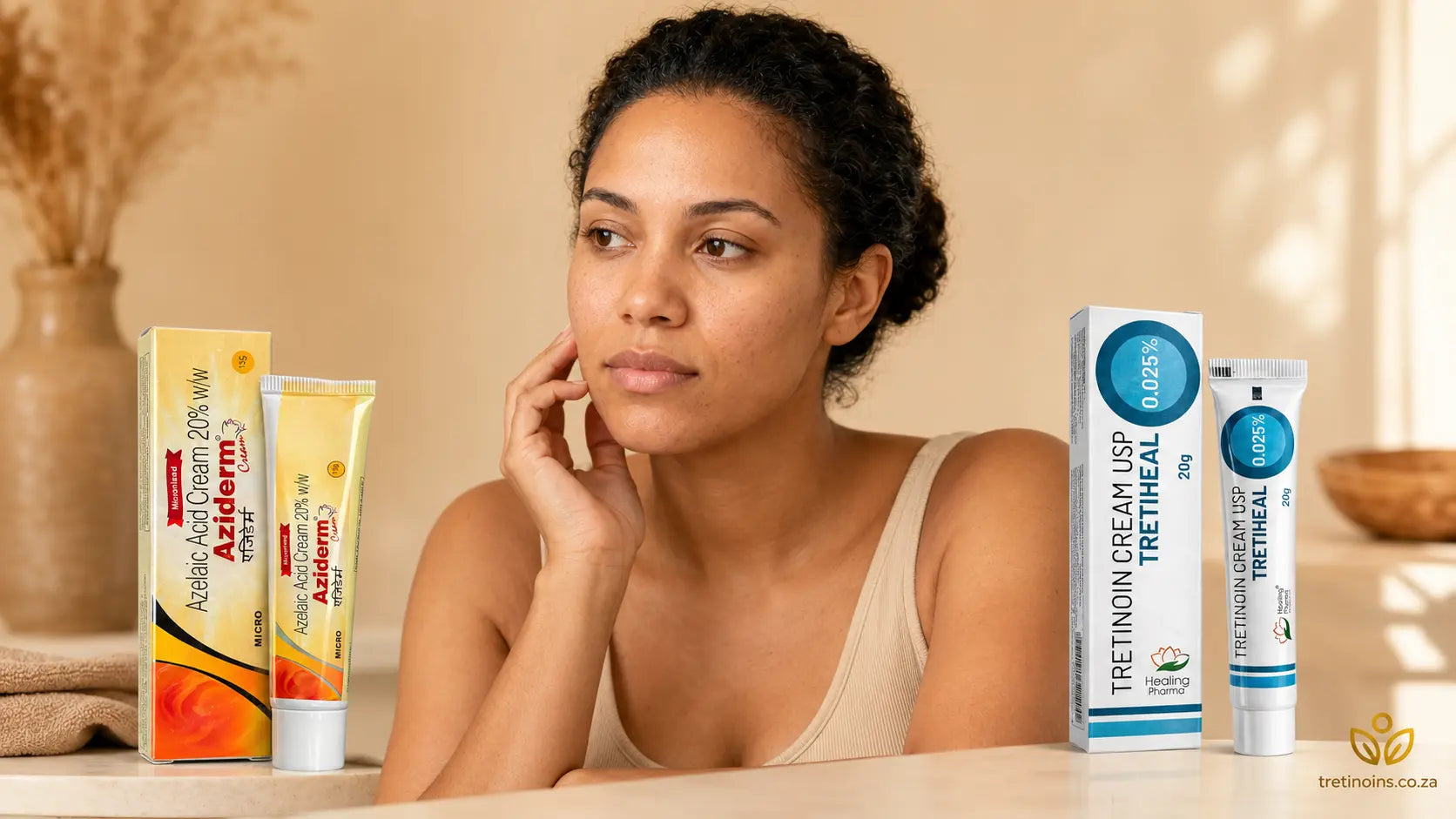
Are your acne marks brown, red, raised, indented, or still linked with active breakouts? Identifying the type of mark matters because Tretinoin and Azelaic Acid do not treat every concern in the same way.
Tretinoin may have a clearer role when clogged pores, blackheads, and repeated breakouts are still forming. Azelaic acid may suit inflamed acne that leaves brown marks, especially when redness or skin sensitivity is also present. It may also be easier to tolerate on reactive skin.
Neither ingredient offers a complete treatment for established indented scars. Before comparing them, look at the colour, shape, and cause of the mark. This helps separate active acne, flat pigmentation, redness, and permanent texture changes.
Four Questions to Ask Before Choosing Tretinoin or Azelaic Acid

The right choice depends on more than the colour of the mark. Acne activity, scar type, skin tolerance, and treatment goals all affect the answer.
Is the Acne Still Active?
Check whether new spots are still appearing and how often they return. Blackheads and closed bumps point to comedonal acne, while red and tender spots suggest inflammatory acne.
Active breakouts need control before pigment care can work well. New lesions can keep creating fresh marks while older ones begin to fade.
Is the Mark Brown, Grey, Red, Purple, Indented, or Raised?
Brown or grey marks may be post-inflammatory hyperpigmentation, known as PIH. Red or purple marks may be post inflammatory erythema, known as PIE. Understanding Acne Marks vs Dark Spots helps separate pigment left by breakouts from redness, melasma, active acne, and permanent textural scars.
Indented areas may be atrophic scars, while raised areas may be hypertrophic scars. Melasma can also resemble acne pigmentation, especially when patches spread beyond past breakout sites.
How Easily Does the Skin Become Irritated?
A history of eczema, rosacea, retinoid intolerance, or barrier damage can change which ingredient is easier to use. Skin that becomes sore or inflamed may also develop darker pigment after irritation.
Azelaic acid cream may suit reactive skin more closely, but it can still sting. Tretinoin may need greater caution when dryness and peeling occur easily.
Are You Preventing New Marks or Fading Existing Ones?
Preventing marks means controlling acne and reducing inflammation before skin damage occurs. Fading existing marks focuses more on pigment regulation and skin renewal.
Scar prevention also matters. Early control of deep or repeated acne may lower the risk of lasting texture changes.
How Each Ingredient Acts From Pore Blockage to Acne Marks
Acne develops in stages. A pore becomes blocked, inflammation follows, and a mark may remain after the spot heals. Tretinoin and azelaic acid affect different parts of this process.
Inside the Pore
Excess keratin and dead skin cells can collect inside a hair follicle. This buildup may form a comedone, such as a blackhead or whitehead.
Tretinoin creams change abnormal follicular keratinisation and increase cell turnover. This helps release existing blockages and may reduce new comedones. The appropriate Tretinoin Strength for Acne and Dark Spots depends on the acne pattern, skin sensitivity, previous retinoid use, and prescribing guidance.
Azelaic acid also supports normal keratinisation. It acts against Cutibacterium acnes and may make the pore environment less supportive of inflammatory acne.
During Inflammation
A blocked pore can develop into a red papule or a pus filled pustule. Inflammatory signals create redness, swelling, and tenderness.
Azelaic acid acts more directly on inflammation and acne linked bacteria. This may suit spots that become red before leaving brown marks.
Tretinoin can reduce future lesions by limiting follicular blockage. However, early irritation may add redness in skin that already reacts easily.
Strong inflammation raises the risk of post inflammatory hyperpigmentation and post inflammatory erythema.
After the Spot Heals
Inflammation may increase melanin production after the active spot becomes flat. Tyrosinase helps control this pigment process, while pigmented keratinocytes carry the colour within the skin.
Azelaic acid reduces abnormal tyrosinase activity, which may help with brown post acne marks. Tretinoin increases cell turnover, helping the skin shed pigmented surface cells over time.
Neither action removes every mark quickly. Deeper pigment, ongoing acne, sun exposure, and repeated irritation can make colour changes last longer.
Where Neither Ingredient Has a Full Answer
Tretinoin and azelaic acid may not provide enough care for:
• Deep nodules or painful cysts
• Established pitted scars
• Raised scar tissue
• Pigmentation that did not follow acne
• Severe rosacea or dermatitis
• Marks that may be melasma
These concerns need proper assessment because adding more active skincare may not treat the cause. A Guide of Tretinoin Strength for Flat Warts relates to a different skin condition and should not be used to choose treatment for acne or post acne marks.
Tretinoin vs Azelaic Acid for Each Type of Acne

The better fit depends on how the acne appears and how deeply it affects the skin.
Comedonal Acne
Comedonal acne includes blackheads, whiteheads, and closed bumps beneath the skin. These lesions form when dead cells and oil block the hair follicle.
Tretinoin may have the clearer role because it helps prevent repeated follicular blockage. Azelaic acid may also support clearer pores, but it may have a milder effect on recurring comedones.
Inflammatory Acne
Inflammatory acne includes red papules, pus filled pustules, swelling, and tender spots. Azelaic acid may suit this pattern because it acts on inflammation and acne linked bacteria.
Tretinoin may help prevent new lesions, especially when blocked pores are also present. However, early irritation can make redness look worse in reactive skin.
Hormonal Pattern Acne
Hormonal pattern breakouts often return around the jawline, chin, and lower face. Adults may notice flares linked with menstrual cycles, stress, or hormonal changes.
Both ingredients may help manage spots and remaining marks. Topical treatment alone may not control an underlying hormonal cause. Repeated adult acne, irregular periods, excess facial hair, or sudden worsening may need medical assessment.
Nodular or Cystic Acne
Nodules and cysts develop deeper within the skin and can feel painful. They carry a higher risk of permanent scarring and lasting pigment changes.
Neither tretinoin nor azelaic acid should be treated as enough on its own for severe nodular or cystic acne. A doctor or dermatologist can assess whether prescription oral treatment or other medical care is needed.
Also read for: Salicylic Acid vs Azelaic Acid
Azelaic Acid vs Tretinoin for Each Type of Mark
The colour and shape of an acne mark can point to what remains within the skin. This affects which ingredient may be more relevant.
Brown Post Inflammatory Hyperpigmentation
Brown marks form when inflammation triggers excess melanin after a spot heals. Azelaic acid may have a more direct role because it affects tyrosinase, an enzyme linked with pigment production.
Tretinoin takes another route. It increases cell renewal, which may help remove pigmented surface cells gradually.
Azelaic acid may fit the pigment stage more closely. Tretinoin may add value when new clogged pores and breakouts still create fresh marks.
Grey or Blue Grey Pigmentation
Grey or blue grey colour may suggest pigment sits deeper within the skin. Deeper pigment often responds more slowly than brown surface marks.
These patches should be assessed if they spread, change, or did not follow acne. Melasma, medication reactions, and other pigment conditions can look similar.
Red or Purple Post Acne Marks
Red or purple marks may involve small blood vessels rather than excess melanin. This is often called post inflammatory erythema.
Azelaic acid may help when inflammation and redness remain. Tretinoin may control new acne, but it can also irritate reactive skin.
Neither ingredient directly removes every vascular mark. Persistent redness may need assessment for rosacea, dermatitis, or another cause.
Textural Scars
Rolling scars create shallow waves across the skin. Boxcar scars have wider, defined edges, while ice pick scars look narrow and deep. Raised scars form when extra scar tissue develops.
Tretinoin and azelaic acid may improve colour around a scar, but colour improvement does not remove damaged tissue. Established indented or raised scars often need treatment from a dermatologist.
Which Works Better? A Five Factor Scorecard

No single feature decides the better option. Check the acne pattern, mark colour, skin sensitivity, past reactions, and whether fresh spots still appear.
|
Factor |
What you notice |
Tretinoin |
Azelaic acid |
|
Acne pattern |
Blackheads, whiteheads, and repeated closed pores |
More relevant because it helps reduce follicular blockage and new comedones. |
May help by supporting normal keratinisation and clearer pores. |
|
Acne pattern |
Red, swollen, or tender spots |
May help prevent future lesions, but early irritation can add redness. |
More relevant because it acts on inflammation and acne linked bacteria. |
|
Mark colour |
Flat brown or dark marks after acne |
May help through gradual cell renewal and pigment shedding. |
More relevant because it affects tyrosinase and excess melanin production. |
|
Mark colour |
Red or purple marks |
Limited role when tretinoin makes reactive skin redder. |
May help when inflammation remains, but vascular redness may need other care. |
|
Mark colour |
Grey, blue grey, spreading, or unexplained patches |
Needs medical assessment before treatment changes. |
Needs medical assessment to rule out melasma or another pigment condition. |
|
Skin sensitivity |
Skin becomes dry, sore, or red easily |
Limited role until the skin can tolerate active treatment. |
More relevant for some reactive skin, though stinging can still occur. |
|
History of irritation |
Past burning, eczema, rosacea, heavy peeling, or barrier damage |
Limited role while irritation remains active. |
May help, but it should not be applied to raw or inflamed skin. |
|
New breakouts |
Clogged pores keep creating fresh marks |
More relevant because it may reduce repeated pore blockage. |
May help control acne and the inflammation linked with new marks. |
|
New breakouts |
Inflamed spots keep leaving brown marks |
May help reduce future acne lesions. |
More relevant when inflammation and post inflammatory pigmentation occur together. |
|
New breakouts |
Deep nodules, cysts, or rapid scarring |
Needs medical assessment rather than topical treatment alone. |
Needs medical assessment because severe acne may need medical care. |
We found that acne pattern and mark colour usually guide the first choice. Skin sensitivity and past irritation then show whether that choice is realistic. If deep acne or unusual pigmentation is present, medical assessment matters more than choosing between two ingredients.
Evidence Strength and What Cannot Be Promised
Both ingredients have recognised roles in acne care. The evidence does not support guaranteed results, fixed timelines, or one treatment plan for every skin type.
Evidence for Acne Control
Topical retinoids are established acne treatments. They help prevent dead skin cells from blocking follicles, which makes them relevant for blackheads, whiteheads, and recurring comedones. All Tretinoin products should still be compared by strength, formulation, directions, and individual skin tolerance rather than treated as interchangeable.
Azelaic acid can help with both inflammatory and non inflammatory acne. It acts on pore blockage, acne linked bacteria, and inflammation.
Treatment response still varies with acne severity. Mild acne may respond to topical care, while nodules, cysts, and scarring often need medical treatment.
Evidence for Post Inflammatory Hyperpigmentation
Azelaic acid affects tyrosinase, which plays a part in excess melanin production. Tretinoin supports cell renewal and the gradual removal of pigmented surface cells.
Both may help acne and the dark marks that remain after spots heal. Skin tone, pigment depth, sun exposure, and irritation can affect the result. A Hyperpigmentation Bundle may contain more than one active ingredient, so each product should have a clear role without unnecessarily increasing irritation.
Direct comparison data between tretinoin and azelaic acid for acne marks remain limited. This means no firm claim can name one ingredient as better for every reader. Hydroquinone Cream for dark spots may be considered for selected pigmentation concerns, but the cause of the discoloration should be identified before treatment is chosen.
Evidence for Using Both
The two ingredients act through different pathways. One may reduce blocked pores and new lesions, while the other may address inflammation and abnormal pigment activity.
This gives a clinical reason for using both in selected cases. It does not prove that every user will see faster or stronger results.
Tolerability can limit any possible benefit. Burning, peeling, or barrier damage may cause missed applications and further pigmentation. Marketing claims should not turn a possible benefit into a fixed promise.
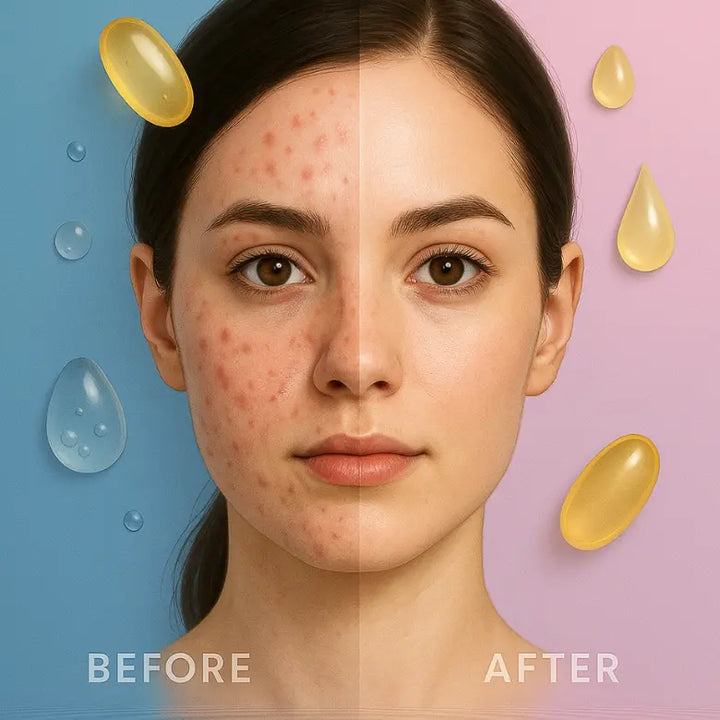
Why Before and After Pictures Are Not Enough
Photos can help record change, but they do not prove that one ingredient caused the result. Their appearance can change because of:
• Lighting direction and brightness
• Camera exposure and image editing
• Makeup or tinted sunscreen
• Time of day
• Other treatments used at the same time
• Natural changes in acne activity
• Different angles or facial expressions
A controlled comparison keeps these factors as consistent as possible. Most online photos do not provide that level of control.
Based on tretinoins.co.za, before and after images should support clinical evidence, not replace it.
Can Both Be Used Without Damaging the Skin Barrier?

Tretinoin and azelaic acid can sometimes share one treatment plan without causing barrier damage. The skin must already be calm, stable, and able to tolerate the current activity.
Conditions That May Support Combined Use
Combined use may be considered when the skin has no active burning, cracking, swelling, or dermatitis. The current treatment should already feel manageable before another ingredient is added.
There should also be a clear reason for using both, such as active acne with post inflammatory pigmentation. A doctor, pharmacist, or dermatologist should guide the plan when tretinoin is prescribed.
Choosing Between Separation and Layering
Using the ingredients at different times of day may reduce the amount of irritation in one application period. Alternating them on different days may suit reactive skin or people still building tolerance.
Applying both during the same session may work for some people, but it can increase dryness and stinging. The formula also matters because creams, gels, and lotions can absorb and irritate differently. Tretinoin Gels may feel and spread differently from cream formulations, so application should follow the instructions provided for the specific product.
The simplest plan is often easier to follow. Skin sensitivity, treatment instructions, and regular use should guide the choice rather than a fixed online routine.
Signs That Combination Use Is Doing More Harm Than Good
Pause the active treatments and seek advice if you notice:
• Burning that continues after application
• Redness that becomes stronger with each use
• Painful peeling or skin cracking
• Swelling or tenderness
• New darkening after irritation
• Sudden stinging from basic cleanser or moisturiser
• A spreading rash or eczema flare
These signs may point to skin barrier damage or irritant dermatitis. Continuing both ingredients can make the reaction worse and may lead to further pigment changes.
Does Azelaic Acid Reduce Tretinoin Irritation?
Azelaic acid has anti-inflammatory effects, but it does not automatically prevent tretinoin irritation. It can also cause stinging, burning, dryness, itching, or redness.
Using both ingredients may increase the total strain on the skin barrier. A person who tolerates each treatment alone may still react when using them within the same routine. Some Anti-Wrinkle Treatments may also contain retinoids or exfoliating ingredients, so include them when checking the routine for possible sources of irritation.
The response can depend on several factors:
• The cream, gel, or lotion formula
• A comparison of Tretinoin 0.05% vs 0.1% should consider skin tolerance and irritation risk because the higher percentage is not automatically the better option.
• How often each treatment is used
• Current skin barrier health
• Eczema, rosacea, or existing sensitivity
• Other active ingredients in the routine
• The amount applied at one time
When comparing Tretinoin 0.025 vs 0.05, consider formulation, application frequency, previous tolerance, and the possibility of increased dryness at the stronger concentration. Azelaic acid should not be treated as a remedy for tretinoin peeling or burning. If tretinoin already causes ongoing irritation, adding another active may make the reaction worse. Common side effects of tretinoin cream include dryness, redness, peeling, burning, and increased skin sensitivity, especially during the early stages of treatment.
Based on our findings, reducing irritation often requires a simpler routine, fewer active treatments, and advice from a doctor or pharmacist.
Does Tretinoin Make Azelaic Acid Work Better?

Tretinoin may add another treatment action, but this does not prove that it pushes azelaic acid deeper into the skin.
The ingredients work through different processes. Tretinoin supports cell renewal and helps reduce blocked pores. Azelaic acid acts on inflammation, acne linked bacteria, and excess pigment production. Using both may therefore cover acne and dark marks from more than one direction.
Some older research on melasma found better results from the combination than azelaic acid alone. However, this does not confirm increased azelaic acid penetration or predict the same response for every acne mark.
Better theoretical coverage also does not guarantee better results in daily use. Dryness, burning, peeling, and poor skin barrier health can make both treatments difficult to continue.
Based on our findings, tretinoin should be viewed as a separate active with a different role, not as a proven absorption booster for azelaic acid.
Skin Tone, Irritation, and the Risk of More Pigmentation
Post acne pigmentation can affect every skin tone. The risk and depth of colour often depend on inflammation, melanin activity, sun exposure, and skin barrier health.
Why Inflammation Can Deepen PIH
Inflammation can signal pigment producing cells to release more melanin. This may leave brown, dark brown, grey, or blue grey marks after acne heals.
Burning, picking, harsh exfoliation, and repeated peeling can restart this process. The treatment itself may then create fresh pigment changes.
Why Darker Skin Tones Need Careful Irritation Control
Post-inflammatory hyperpigmentation may look darker and remain longer in brown and black skin tones. This does not mean active skincare must be avoided.
It means irritation should be controlled early. A treatment that repeatedly causes raw skin may worsen the concern it was meant to address.
Why Natural Skin Colour Should Not Be Treated as a Problem
The goal is to reduce uneven pigment caused by acne, not change a person’s natural complexion. Healthy skin does not need to become lighter.
Azelaic acid acts on abnormal pigment activity within affected areas. It should not be promoted as a general skin lightening treatment. Skin Brightening and Hyperpigmentation creams should be assessed by their ingredients and intended use, with the goal of treating uneven pigment rather than changing natural skin colour.
Unwanted Light Patches and When to Get Advice
Pale patches or uneven loss of colour may be hypopigmentation. Stop using the suspected treatment and ask a doctor, pharmacist, or dermatologist for advice.
Medical assessment also matters when pale areas spread, develop quickly, or appear away from treated skin.
The Role of Daily Photoprotection in Pigment Management
South African sun exposure can make dark marks more visible and harder to fade. Ultraviolet rays can increase pigment activity, while visible light may also affect some darker skin tones.
Daily protection can include shade, hats, clothing, and broad spectrum sunscreen. These steps support pigment care without replacing acne treatment.
When You Need a Diagnosis Before Choosing an Ingredient
Choosing between tretinoin and azelaic acid is not always the next step. Seek proper assessment when:
• You have deep nodules or cysts: These can damage tissue and leave permanent scars.
• The skin looks infected or crusted: Swelling, pain, discharge, or crusting may need medical treatment.
• Scars are forming quickly: Early care may reduce further tissue damage and lasting texture changes.
• Pigmentation spreads without active acne: This may be melasma or another pigment condition rather than post inflammatory hyperpigmentation. Before using a Dark Patches Bundle, confirm whether the discoloration comes from acne, melasma, irritation, or another pigment condition.
• Redness does not settle: Rosacea, eczema, dermatitis, or barrier damage can resemble acne related redness.
• Basic skincare starts to burn: Stinging from cleanser or moisturiser may point to irritant dermatitis or a damaged barrier.
• Several strong activities are already in use: Acids, scrubs, and acne treatments can increase irritation when combined. The Uses of Skinshine cream should be checked against its ingredient list and professional directions before it is combined with tretinoin, azelaic acid, or other active treatments.
• You are pregnant or planning pregnancy: Tretinoin is generally avoided, so ask a doctor, pharmacist, or dermatologist about other options. Before deciding where to buy Tretinoin in South Africa, confirm the prescribing requirements, product strength, formulation, and whether tretinoin is appropriate for your skin concern.
• Acne affects mental wellbeing: Support matters when acne affects confidence, mood, relationships, work, or social life.
• The type of mark is unclear: Brown pigment, red vascular marks, pitted scars, raised scars, and active acne need different care.
Final Decision Framework
Use these points to decide which treatment direction may fit your skin concern. A useful Buying guide should compare the type of acne, mark colour, formulation, treatment strength, irritation risk, and need for professional advice.
-
Check the shape of the area
If the mark is raised or indented, it may be a true acne scar. Tretinoin and azelaic acid cannot fully correct established scar tissue. A dermatologist can identify the scar type.
-
Look at the colour
Red or purple marks may relate to post inflammatory erythema, rosacea, or ongoing irritation. Brown, grey, or dark marks may be post inflammatory hyperpigmentation.
-
Check whether clogged pores are still forming
Tretinoin may be more relevant when blackheads, whiteheads, and closed bumps keep returning. It can help reduce repeated follicular blockage.
-
Check whether inflammation and dark marks occur together
Azelaic acid may be more relevant when red spots heal with brown marks. It can act on inflammation, acne linked bacteria, and excess pigment.
-
Assess the current condition of the skin
Do not add another active ingredient if the skin is burning, cracking, peeling heavily, or feeling raw. Irritated skin may develop deeper pigmentation.
-
Decide whether the goal is prevention or fading
Tretinoin may help prevent new comedones and breakouts. Azelaic acid may act more directly on pigment and inflammation after acne.
-
Consider whether both concerns remain active
A clinician may include both ingredients when active acne and post inflammatory pigmentation occur together. The plan should match skin tolerance and medical advice.
The better option depends on the type of acne, the colour and shape of the mark, and the current health of the skin barrier. Tretinoin Cream Price may vary by strength and formulation, but cost should not replace checks for suitability, prescribing requirements, and correct directions.
Frequently Asked Questions
Which fades brown acne marks more directly, tretinoin or azelaic acid?
Azelaic acid may act more directly on excess melanin through its effect on tyrosinase. Tretinoin may help by increasing cell renewal and shedding pigmented surface cells.
Which is more useful for preventing clogged pores?
Tretinoin may have the clearer role for blackheads, whiteheads, and closed comedones. It helps reduce dead cell buildup inside hair follicles.
Can azelaic acid and tretinoin clear acne on their own?
They may control mild acne in some people. Persistent, severe, nodular, or scarring acne may need other prescription treatment and medical assessment.
Can they be applied during the same evening?
Some people may use both during the same evening after building tolerance. Combining them can increase burning, dryness, redness, and peeling.
Does application order change their effectiveness?
There is no fixed order for every cream, gel, or lotion. Follow the prescribing instructions and consider the product formula, skin sensitivity, and current irritation.
How long can acne and post acne pigmentation take to improve?
Acne often needs several weeks of regular treatment. Flat brown marks may take several months, depending on pigment depth, skin tone, sun exposure, and fresh breakouts.
Does azelaic acid cause purging?
Azelaic acid is not usually linked with the same adjustment breakout seen with topical retinoids. New spots may reflect normal acne changes, irritation, or another product in the routine.
Can tretinoin cause pigmentation to look worse?
Yes, irritation may make pigmentation look darker in skin that marks easily. Temporary lighter or darker colour changes have also been reported with tretinoin use.
Will azelaic acid lighten unaffected skin?
It is meant to reduce uneven excess pigment, not change natural skin colour. Stop use and seek advice if pale or uneven patches appear.
Can tretinoin remove boxcar or ice pick scars?
No. Tretinoin may improve mild surface texture, but it cannot fully remove established boxcar or ice pick scars. These scars often need treatment from a dermatologist.
Is azelaic acid a replacement for tretinoin?
Not in every case. Azelaic acid may suit inflammation, redness, and brown marks, while tretinoin may suit recurring clogged pores and uneven texture.
Does using both always work faster?
No. Using both may cover more than one concern, but it does not guarantee faster results. Extra irritation may make regular treatment harder.
Which is more suitable for sensitive skin?
Azelaic acid is often easier to consider for sensitive or redness prone skin. It can still cause stinging, itching, dryness, or burning.
Which one is more useful when acne and melasma overlap?
Azelaic acid may help with acne, inflammation, and excess pigment. Tretinoin may also form part of a clinician guided melasma plan, but irritation control is important.
What side effects mean treatment should be stopped and checked?
Stop the treatment and seek medical advice for swelling, blistering, crusting, raw skin, severe burning, painful cracks, or a spreading rash. New pale patches or marked darkening also need assessment.
Conclusion
Tretinoin and Azelaic Acid do not compete in the same way for every acne mark. Tretinoin may fit recurring clogged pores, blackheads, closed bumps, and uneven texture. Azelaic acid may fit inflamed acne, redness, sensitive skin, and brown marks after breakouts.
The better choice depends on the acne pattern, mark colour, skin barrier, and history of irritation. Using both may suit some people, but only when the skin already tolerates active treatment.
Flat pigment marks may improve with topical care. Red marks, melasma, deep cysts, and established scars may need a different plan. Correctly identifying the concern is more useful than choosing the ingredient that sounds stronger.