Cart
0

Many people use strong skincare for dark marks, but the marks still come back. Sometimes they fade for a while, then get darker again after sun exposure. This can feel frustrating, especially with melasma, post inflammatory hyperpigmentation, or acne marks.
The issue is not always the treatment itself. Light exposure can keep pigment cells active, so the skin continues making melanin in the same areas. This can make results look slow, patchy, or hard to maintain.
At tretinoins.co.za, we often see this with people using treatment based skincare for pigmentation. SPF helps dark spots fade by reducing the light trigger that keeps pigment active. It does not replace treatment, but without daily protection, results may not last.
Why Dark Spots Come Back Even After Treatment

Pigment can be re triggered
Dark spots can look better for a few weeks, then become darker again after sun exposure. This often happens when pigment cells stay sensitive to light, heat, or inflammation.
Melasma is one of the most common examples. It may fade with care, but it can return when the skin gets repeated sunlight. The upper lip, cheeks, forehead, and jawline are common areas. You can use Azelaic Acid 20%, Tretinoin 0.025% and sunroof lotion spf 50, which is a simple care protocol for melasma and dark patches.
Post inflammatory hyperpigmentation can also deepen when inflammation and sun exposure happen together. A healing acne mark, irritated patch, or picked spot may turn darker if the skin is not protected during the day.
Stronger treatment does not fix poor sun protection
Using a stronger product is not always the answer. If the skin keeps getting sun exposure, pigment may stay active even when treatment is part of the routine.
Irritated skin can also make more pigment. Burning, peeling, tightness, and redness can trigger new dark marks, especially on skin that already marks easily.
Sun exposure can work against fading. The skin may be trying to recover at night, while daily light keeps pushing the same marks darker. This is why sunscreen is not a side step in pigmentation care. It helps protect the progress you are trying to build.
What SPF Really Does in a Pigmentation Routine
SPF is a protective step, not a pigment remover
SPF does not peel, bleach, or erase dark marks. It does not work the same way as ingredients used for pigmentation.
Its role is to reduce the light trigger that keeps melanin production active. When the skin gets less daily sun exposure, pigment cells have fewer reasons to keep darkening the same area.
This matters when the skin is healing from acne marks, melasma, irritation, or peeling. Newer skin can be more sensitive, and sunlight can make it mark more easily. SPF helps protect that skin while fading slowly takes place.
Why dermatology routines often start with sun protection
Pigmentation results are harder to maintain without daily protection. Dark spots need stability before visible fading can happen.
If the skin keeps getting sunlight every day, treatment progress can become uneven. Some marks may fade, while others deepen again.
Daily SPF reduces these setbacks. It gives the skin a calmer base, so dark spot care has a better chance to work and last.
The Pigment Cycle: Acne, Irritation, Sun, and Dark Marks

Dark marks often follow a cycle. The skin gets inflamed, produces extra melanin, then sunlight keeps the mark active. This is common with acne marks, shaving bumps, melasma, and irritation from strong skincare. Our full medical grade consist of treatment for acne, hyperpigmentation, dark spots and many more.
Step 1: Skin gets inflamed
Inflammation can start from active acne, picking, harsh products, shaving irritation, or peeling from actives. Even small irritations can matter when your skin marks easily.
The skin may look red, sore, dry, or darker around the affected area. If this keeps happening, new marks can form before old ones fade.
Step 2: Melanin increases
When the skin feels stressed, it may respond by producing more pigment. This is how post-inflammatory hyperpigmentation starts. A simple care routine including Hydroquinone 4%, Tretinoin 0.025% and sunscreen lotion spf 50 can be use for post-inflammatory hyperpigmentation.
Deeper skin tones may hold pigment for longer. A pimple can heal, but the flat dark mark may stay visible for weeks or months.
Step 3: Sunlight keeps the mark active
UV rays and visible light can make the mark deeper. This means the original inflammation may be gone, but light exposure keeps the pigment response going.
The mark then fades slowly or returns after looking better. Our analysis shows that many pigmentation routines fail because this light trigger is not controlled daily.
Melasma vs PIH: Why Sunscreen Matters Differently
Melasma, post inflammatory hyperpigmentation, and sun spots can all look like dark marks, but they do not behave the same way. The cause affects how sunscreen helps.
Melasma
Melasma often appears as patchy pigmentation on the cheeks, forehead, upper lip, or jawline. It may fade with care, then return after sun exposure, heat, or hormone changes.
This is why melasma needs steady protection. UV rays can make patches darker, but visible light may also play a role for some people. This is more common in medium to deep skin tones and stubborn facial pigmentation.
Sunscreen helps reduce the light trigger. It does not control every melasma cause, but it can help keep patches calmer and less likely to deepen.
Post inflammatory hyperpigmentation
Post inflammatory hyperpigmentation often follows acne, cuts, burns, shaving bumps, or irritation. The skin heals, but extra pigment stays behind.
UV exposure can make these marks darker. It can also slow the fading process, especially when new breakouts or irritation keep happening.
This type of pigmentation needs two things: control the trigger and protect the mark. For acne marks, that means fewer breakouts, less picking, gentle skincare, and daily SPF. You can also visit for acne marks treatments to explore more about it.
Sun spots
Sun spots often come from repeated long term exposure. They usually appear on areas that get regular light, such as the face, hands, shoulders, chest, and arms.
These marks often build slowly. They can also take longer to fade because the skin has received years of repeated sun stress.
Prevention matters here. Daily SPF, shade, hats, and less direct sun exposure can help stop existing spots from getting darker and reduce the chance of new ones forming.
Also visit for: Best Skincare Routine for Acne Marks & Dark Spots SA
Why Tinted Sunscreen Is Often Mentioned for Melasma

The role of iron oxides
Tinted sunscreen is often discussed in melasma care because some pigmentation can react to visible light. This is different from UV exposure, but it can still affect stubborn facial patches.
Many tinted formulas contain iron oxides. These colour pigments can help reduce some visible light reaching the skin. This can be useful when melasma darkens quickly after daylight exposure.
Not everyone needs tinted SPF. But people with recurring melasma, deeper skin tones, or marks that return easily may want to consider it as part of daily protection.
Who may benefit most
Tinted SPF may be more helpful for people with melasma on the cheeks, upper lip, forehead, or jawline. These areas often get daily light exposure and can darken again after fading.
It may also suit dark spots that worsen quickly, especially on medium to deep skin tones. Pigment can stay visible for longer in these skin tones after acne, irritation, or sun exposure.
People who sit near windows, drive often, work outdoors, or spend time in bright daylight may also benefit. The aim is to reduce the light trigger that keeps melasma active.
SPF and Active Ingredients: Why Protection Changes the Result
Active ingredients can help with dark marks, but the skin still needs protection during the day. If sunlight keeps triggering pigment, results can look slow or uneven.
Retinoids and sun sensitivity
Retinoids can make the skin more sensitive while it adjusts. Some people notice dryness, peeling, tightness, or mild irritation at first. Choosing the best strength of tretinoin cream should depend on skin tolerance, pigmentation risk, and how well the skin handles retinoid use with daily SPF.
If irritated skin gets strong sun exposure, dark marks can look worse. This is common around the mouth, cheeks, forehead, and upper lip.
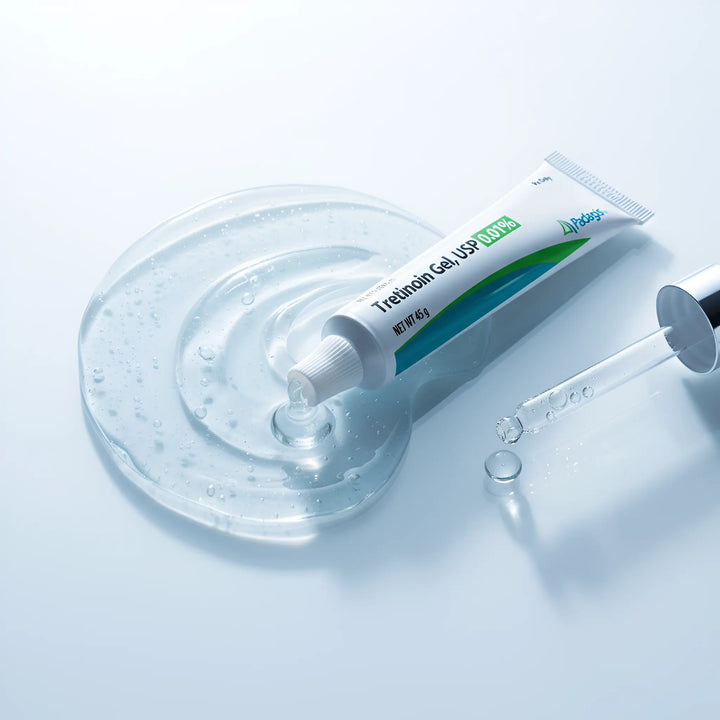
SPF helps protect the skin during this adjustment stage. A tretinoin gel routine may still need daily SPF because peeling, dryness, and sun exposure can make dark marks look more noticeable. It does not stop all irritation, but it lowers the chance of sun exposure adding more pigment stress.
Pigmentation treatments need stable skin
Dark spot routines work better when the skin is calm. A comparison of Azelaic Acid vs Tretinoin should also consider skin tolerance, because irritation can slow progress when treating pigmentation. If the barrier is damaged, the skin may burn, peel, or react more easily.
That irritation can make pigmentation look deeper. This is why moisturizing, slow use, and daily protection matter. The goal is not to force fast fading. The goal is to keep the skin steady enough to improve.
Why overuse can backfire
Using too many actives at once can cause peeling and inflammation. This can lead to more post inflammatory hyperpigmentation, especially on skin that marks easily.
More product does not always mean faster fading. A careful routine often gives better results than applying strong ingredients too often.
What SPF Can and Cannot Do When You’re Treating Dark Spots

SPF is one of the most useful support steps when treating dark spots. It helps protect the skin from light triggered darkening, especially when marks are already active.
SPF can help protect against darkening caused by daily sunlight. It can also reduce setbacks while using actives, support longer lasting results, lower the risk of new post inflammatory hyperpigmentation after acne, and keep sensitive skin safer in sunlight.
But SPF cannot replace a full plan for stubborn melasma. It will not remove pigment quickly, stop hormone related triggers, or fix active acne on its own.
It also cannot work well if used only on some days. Pigmentation care needs steady protection because light exposure can keep waking the same marks back up.
The safest way to think about sunroof sunscreen lotion spf 50 is simple. It protects the progress, while the rest of the routine deals with the cause.
Why Dark Spots Still Get Worse Even When You Own Sunscreen
Having sunscreen is not the same as getting enough protection. Dark spots can still worsen if the product is used too little, too late, or only on certain days.
Common use mistakes
A common mistake is applying too little product. Thin coverage can leave parts of the skin exposed, especially around the upper lip, temples, ears, neck, and hairline.
Some people only use sunscreen when they plan to be outside for long. But daily light exposure can still affect pigmentation, especially during errands, travel, or work.
Reapplication also matters during heat or sweating. If sunscreen moves from the skin, dark marks can still get light exposure.
Strong activities can add another problem. If you apply them too often, the skin may peel or burn. Skipping moisturiser when the skin feels irritated can make this worse.
Another mistake is stopping SPF once marks lighten. Pigmentation can return when protection drops, especially with melasma or post inflammatory hyperpigmentation.
South African sun exposure habits
In South Africa, sun exposure can happen through normal daily life. It is not only beach days or long outdoor events.
Daily errands, taxi and car windows, outdoor work, school runs, sports, walking, and high UV seasons can all affect the skin.
This is why treatment based routines need daily protection. Sunscreen should match real life exposure, not only planned time in the sun.
Explore also for: hydroquinone tretinoin and mometasone furoate cream usage
A Smarter Way to Judge Progress

Dark spot progress is not only about how fast marks disappear. A good routine should also stop the skin from getting darker again.
Good signs
Good progress may look small at first. Marks may stop getting darker after sun exposure. New acne marks may look lighter than older ones. Your overall tone may look steadier, even before the darkest patches fade.
Your skin may also feel less irritated. This matters because burning, peeling, and soreness can lead to more post inflammatory hyperpigmentation.
Fewer flare ups after sun exposure can also be a good sign. It means the skin is staying calmer during the day.
Signs the routine may need adjustment
Your routine may need a change if burning or peeling happens often. Dark marks around the mouth or nose can also mean the skin is getting irritated.
Melasma that returns quickly may need more than basic sun care. New marks after every breakout can mean active acne still needs control.
If your skin feels tight, dry, or sore, slow down. The barrier may need support before you push stronger dark spot care.
When Sunscreen Alone Is Not Enough
Sunscreen is important, but it cannot fix every trigger behind pigmentation. Active acne still needs control, because each breakout can leave another mark. A comparison like Azelaic Acid Vs Salicylic Acid may help when deciding whether the main issue is leftover pigmentation or clogged pores that keep causing new breakouts.
Melasma may need professional advice, especially if patches keep returning. Hormonal triggers can keep pigment active even when SPF is used daily.
Stubborn post-inflammatory hyperpigmentation may need more than protection. Sudden marks, changing patches, or spots with unusual colour or shape should be checked before using stronger skincare.
The aim is not to use more products. The aim is to understand the cause and protect the skin while it improves.
Explore also for: Tretinoin Cream Works for Flat Warts
Practical Protection Plan for Pigmentation Prone Skin
A protection plan does not need to be complicated. The main goal is to reduce daily triggers that keep dark marks active.
Morning
Start with a gentle cleanse if your skin feels oily, sweaty, or heavy from the night before. If your skin feels dry or irritated, keep this step soft and simple.
Moisturize if the skin feels tight, flaky, or sensitive. A calmer barrier is less likely to react and form new dark marks.
Apply broad spectrum SPF before daytime exposure. Cover areas that are often missed, such as the upper lip, temples, ears, neck, hairline, and sides of the face.
Daytime
Use shade when possible, especially during strong sun. This helps reduce repeated light exposure during normal daily activities.
Reapply SPF when you are outdoors for longer, sweating, wiping your face, or spending time in direct daylight.
A cap or hat can also help when the sun is strong. It gives extra protection for areas where melasma and dark marks often return.
Avoid picking healing pimples during the day. Picking can restart inflammation and lead to new post inflammatory hyperpigmentation.
Night
Keep active use controlled at night. More frequent use is not always better if the skin becomes sore or irritated.
Stop strong activities if the skin becomes raw, painful, very red, or badly peeling. Pushing through irritation can make dark marks worse.
If the skin feels damaged, focus on barrier support first. Once the skin feels calm again, dark spot care is easier to manage.
Key Takeaway
SPF helps dark spots fade by reducing the light trigger that keeps pigment active. It does not erase melasma, post inflammatory hyperpigmentation, acne marks, or sun spots on its own.
For treatment focused skincare users, sunscreen is not a side step. It protects the progress made by active ingredients and helps reduce the chance of pigmentation coming back.
Daily broad spectrum protection, gentle active use, moisturizing, and patience give dark marks a better chance to fade more evenly.
Frequently Asked Questions
Does sunscreen fade dark spots or only prevent them?
Sunscreen helps dark spots fade indirectly. It reduces the light trigger that keeps pigment active, so marks have a better chance to settle. It also helps prevent existing marks from getting darker.
Why does melasma come back after treatment?
Melasma can return because it is often linked with light exposure, heat, hormones, and skin sensitivity. Even after patches fade, daily sun exposure can wake the pigment again. This is why long term protection matters.
Can tretinoin work for dark spots without sunscreen?
Tretinoin may support skin renewal, but results can be harder to maintain without sunscreen. Sun exposure can darken marks while the skin is trying to improve. SPF helps protect the progress.
Also visit for: Tretinoin 0.05% vs 0.1% and Tretinoin 0.025 vs 0.05
Why are my acne marks getting darker after using actives?
Acne marks can get darker if the skin becomes irritated, dry, or inflamed from strong actives. Sun exposure can make this worse. Slow use, moisturizing, and daily SPF can help reduce setbacks.
Is SPF 50 better when using tretinoin?
SPF 50 can be a good choice when using tretinoin because the skin may be more sensitive to sunlight. The most important part is using it daily and applying enough. Protection matters more than strength alone.
Does visible light make melasma worse?
Visible light may worsen melasma in some people, especially medium to deep skin tones. This is why tinted sunscreen is often discussed for stubborn melasma. It may help reduce some visible light exposure.
Should darker skin tones use sunscreen for PIH?
Yes. Darker skin tones can still get post inflammatory hyperpigmentation after acne, irritation, shaving bumps, or cuts. Sunscreen helps stop these marks from getting darker while the skin heals.
Can sunscreen reduce post acne marks?
Sunscreen can help post acne marks fade more steadily by protecting them from UV exposure. It does not clear acne by itself. Breakouts, picking, and irritation still need to be controlled.
Why is my upper lip pigmentation darker after sun exposure?
The upper lip is a common area for melasma and sun triggered pigmentation. It is also an area people often miss when applying sunscreen. Heat, hormones, waxing, irritation, and sunlight can all make it look darker.
When should I stop actives and repair my skin barrier?
Stop strong actives if your skin feels raw, painful, badly peeling, burning, or very tight. Focus on moisturizing and gentle care until the skin feels calm again. Pushing through irritation can lead to more dark marks.
Conclusion
Dark spots need more than strong skincare. Melasma, post inflammatory hyperpigmentation, acne marks, and sun spots can stay active when UV rays and visible light keep triggering melanin.
Daily broad spectrum SPF helps protect treatment progress, reduce setbacks, and support a calmer skin barrier in the South African sun. For better results, match sun protection with gentle active use, moisturizing, and patience.