Cart
0
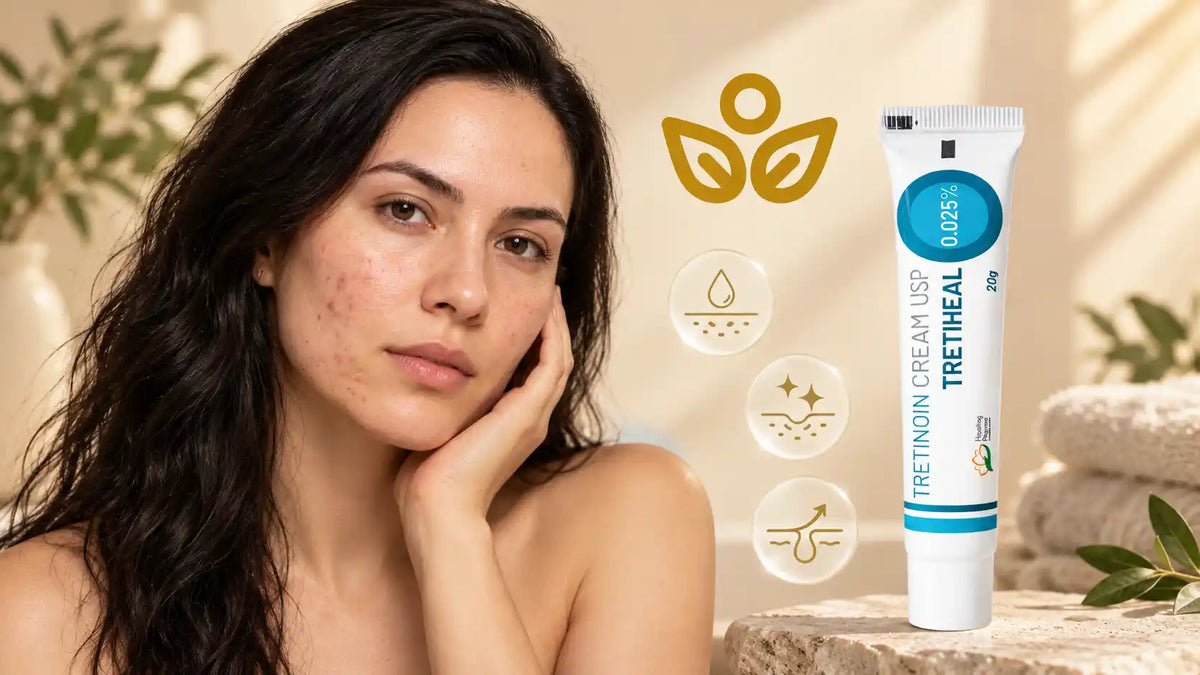
People who already use tretinoin rarely ask whether tretinoin in summer is allowed. They ask what to adjust. Should the strength drop? Does a gel suit the heat better than a cream? Can hydroquinone stay in the routine through December? These questions carry more weight in South Africa, where summer UV is extreme and pigment concerns are common. We found that summer setbacks usually start with irritation, not with sunlight alone. The sections below look at tretinoin through its chemistry, its pairings and its pigment risks. In this guide from tretinoins.co.za, we look at tretinoin through its chemistry, its pairings and its pigment risks.
What Changes for Tretinoin Users When Summer Starts?

The tretinoin itself does not need to change in summer. What changes is the margin for error. Higher UV, heat and sweat make irritation more likely and more costly. Small adjustments to frequency, pairings and sun care usually keep a routine on track, whether you choose products separately or as a summer bundle.
Think of irritation as the main summer risk. On lighter skin, it mostly shows redness, peeling and burning. On medium and deeper skin, it can also leave post-inflammatory hyperpigmentation. One irritated week in summer can undo months of work on dark marks or melasma.
Routines that felt comfortable in winter may also behave differently. Cold, dry air often limits how much tretinoin the skin can tolerate. Humid air can make it feel easier, which tempts some people to increase strength too quickly. That comfort can be misleading once UV, sweat and other ingredients are added on top.
Sweat, Night Heat and Product Spread
Hot bedrooms change how tretinoin behaves overnight. Sweat can carry the product into the eye corners, nose folds and mouth edges. These thin areas then sting or peel first. Using a thinner layer and letting it absorb fully before bed reduces this spread.
Wait 20 to 30 minutes after cleansing before applying tretinoin. Warm, damp skin absorbs it faster, which can increase irritation. A pea sized amount covers the whole face. Extra product does not add benefit, but it does add sweat driven spread on hot nights.
How UV Light and Tretinoin Interact on the Skin
Two separate things happen when tretinoin meets sunlight. First, light breaks the tretinoin molecule down. Second, early use makes the outer skin layer thinner and more sensitive. The first explains night application, and the second explains daily SPF.
Light Breaks the Tretinoin Molecule Down
Tretinoin is photolabile, which means light degrades it. Conventional tretinoin creams and gels lose strength when sunlight hits them on the skin. Evening application gives the formula time to work without that breakdown. Morning use is one reason some people see slower results than expected.
This also matters for storage. Keep the tube capped and away from direct light. Clear pots or decanted containers expose the formula to light every time they open.
Some newer formulas use microspheres or encapsulated bases designed to improve stability. Unless your product clearly states this, treat tretinoin as a night only step.
Early Surface Thinning Versus Long Term Skin Changes
In the first months, tretinoin compacts and thins the stratum corneum. This top layer normally scatters some UV, so a thinner layer means less buffer. With longer use, the deeper epidermis often becomes thicker and more even. Sun sensitivity tends to be highest in the first three to six months.
This explains why a first summer on tretinoin often feels harder than later ones. Someone starting in October in Gauteng enters this phase just as UV climbs to extreme levels. A person who started in April meets summer with skin that has already adjusted. Start timing does not need to be perfect. It does change how careful the first months should be. Even after the first year, sun sensitivity does not disappear completely. Daily SPF remains part of long term tretinoin use.
Strength and Formula Choices for the Hot Months

Summer is rarely the time to increase tretinoin strength. If you plan to move from 0.025% to 0.05%, many people wait for cooler months. The base matters too, since gel and cream formulas behave differently in heat. Frequency is usually the easiest setting to adjust.
|
Strength and format |
General profile |
Summer considerations |
|
Lowest common strength, richer base |
Often the gentlest summer option for dry or sensitive skin |
|
|
Low strength, light alcohol based gel |
Comfortable on oily skin, may sting in early weeks |
|
|
Moderate strength, cushioned base |
Suits skin already used to tretinoin; keep frequency steady |
|
|
Moderate strength, matte finish |
Light feel in humidity; watch for dryness and stinging |
|
|
Highest common strength |
Most irritation potential; a poor time to start it |
Strength numbers are not the whole picture. A gel can feel stronger than a cream at the same percentage, because the base dries faster and spreads differently. Some people tolerate 0.05% cream better than 0.025% gel. Your own skin response matters more than the label figure. If you were planning to step up, April to August usually suits it better in most of South Africa. Lower UV gives the skin room to adjust.
Frequency Matters More Than Percentage in Summer
Dropping from nightly use to every other night lowers irritation without changing products. This keeps your skin used to tretinoin through the hottest weeks. Changing strength mid summer often brings a fresh adjustment phase. For most routines, frequency is the safer setting to change.
Our analysis of common reader questions shows most summer flare ups follow a strength change or a new ingredient. A practical pattern works for many routines. Use tretinoin nightly in cooler weeks and on alternate nights during heatwaves or beach holidays. Return to your usual schedule once the skin settles.
Pairing Tretinoin With Pigment Ingredients in Summer

Many South African tretinoin routines also include hydroquinone, azelaic acid or exfoliating acids. Each pairing adds some irritation potential. In summer, that stacking effect becomes easier to notice. Spacing ingredients out often matters more than removing them.
A typical summer layout looks like this. Azelaic acid or niacinamide goes on in the morning under sunscreen. Tretinoin goes on at night. Hydroquinone or exfoliating acids go on separate nights, not on top of tretinoin. This spreads the irritation load across the week.
Tretinoin With Hydroquinone
Tretinoin and hydroquinone are often paired for melasma and stubborn dark marks. Both can irritate, and hydroquinone works poorly without strict sun protection. In summer, some people separate them onto alternate nights. Hydroquinone is usually limited to set periods, so follow the directions you were given.
Combination creams that contain tretinoin, hydroquinone and a steroid form a separate category. These have specific use limits and should only be used as directed. Do not layer extra tretinoin on top of a combination cream without advice. Doubling up in summer is a common cause of burning and rebound darkening.
Tretinoin With Azelaic Acid
Azelaic acid is usually gentler than hydroquinone and suits many skin tones. Many routines use azelaic acid in the morning and tretinoin at night. This spreads both ingredients across the day. If they sting together, simplify for a week before bringing one back.
Azelaic acid can tingle on application, especially on warm skin. Apply it to cool, dry skin and let it settle before sunscreen. A light moisturizer between the two layers can reduce tingling on hot mornings.
Exfoliating Acids and Benzoyl Peroxide
Glycolic, lactic and salicylic acids add extra exfoliation on top of tretinoin. In summer, this often tips the skin into stinging and peeling. Benzoyl peroxide can break down some tretinoin formulas when applied at the same time. Separate them by morning and night, or leave one out.
If you use a benzoyl peroxide wash in the morning, rinse it off well before sunscreen. Body breakouts on the back and chest often flare in summer heat. Treat those areas with the same care, because they also burn at the pool.
Vitamin C and Niacinamide in the Morning
Morning antioxidant serums can support sunscreen in a summer tretinoin routine. Niacinamide is usually well tolerated and may help with uneven tone. Pure vitamin C, known as ascorbic acid, is often quite acidic. On skin that is still adjusting to tretinoin, it can sting in the heat.
If vitamin C stings, try it on alternate mornings or choose a gentler derivative. Apply serums to cool, dry skin, then moisturizer, then sunscreen. Neither serum replaces SPF. They work alongside it.
Irritation, Melasma and PIH Risk on Medium and Deeper Skin
For many South African readers, the biggest summer risk is pigment, not peeling. Retinoid irritation can trigger post-inflammatory hyperpigmentation on Fitzpatrick IV to VI skin. Melasma can also flare with heat and visible light. Keeping irritation low protects the results you have already built.
Watch for darker patches appearing where tretinoin causes redness. Common spots include the sides of the nose, the corners of the mouth and along the jawline. These areas collect products and sweat. Applying tretinoin slightly away from them often helps.
Some people notice a temporary darkening in the first weeks of tretinoin. This is often linked to irritation or sun exposure during the adjustment phase. Lowering frequency and tightening sun care usually settles it.
Telling PIH and melasma apart helps you respond correctly. PIH usually follows a pimple, rash or burn, and sits where the irritation was. Melasma forms broader, symmetrical patches across the cheeks, forehead or upper lip. PIH often fades with time and calm skin. Melasma tends to return with heat and sun, so it needs ongoing protection.
Heat and Visible Light as Melasma Triggers
Melasma responds to more than UV. Heat from the sun, a hot kitchen or a parked car may darken it. Visible light, including bright daylight, also appears to play a role on deeper skin. Tinted sunscreens with iron oxides protect against visible light in a way that clear filters do not.
Shade, hats and avoiding long midday exposure help where sunscreen falls short. A cool face cloth after time outdoors may reduce heat on the skin. Melasma often returns in summer, even with good habits. Expect some seasonal variation rather than a straight line of progress. Long commutes count too. Car side windows often let UVA through, so drivers in South Africa may see more pigment on the right cheek.
Sunscreen Standards for a Summer Tretinoin Routine

Sunscreen does most of the protective work in a summer tretinoin routine. Look for broad spectrum SPF 50 with good UVA protection. Apply enough, reapply often and choose a texture you will actually wear. A tinted formula adds visible light protection for skin prone to melasma.
A sunscreen routine that fits tretinoin use includes these habits:
-
Apply about a quarter teaspoon to the face alone, with more for the neck.
-
Cover the ears, hairline and sides of the neck.
-
Reapply every two hours outdoors, and after swimming or heavy sweating.
-
Choose a water resistant formula for the beach, the pool or sport.
-
Use a tinted formula with iron oxides if melasma is a concern.
-
Add a wide brimmed hat between 10am and 3pm, when UV peaks.
Texture matters for real use. Fluid and gel sunscreens suit oily skin in humid areas like KwaZulu Natal. Richer lotions may suit the dry Highveld air. A sunscreen that pills over tretinoin flaking usually needs a thinner moisturizer underneath.
Summer Interruptions: Sunburn, Waxing and Holiday Breaks
Some summer situations call for a short pause. Sunburn, facial waxing and beach holidays are the most common ones. A planned pause of a few days to two weeks rarely undoes progress. Restart at a lower frequency once the skin settles.
Use this as a quick reference:
-
Sunburn: stop tretinoin until all redness, heat and peeling have gone. Restart two or three nights a week.
-
Facial waxing: tretinoin can make the skin lift or tear with wax. Many salons ask clients to stop retinoids for about a week first.
-
Peels and laser: pause tretinoin for the period your practitioner advises, before and after.
-
Beach holidays: for a week on the KZN coast or in Mozambique, some people stop a few days before.
-
Pregnancy: tretinoin and hydroquinone are not recommended during pregnancy or while trying to conceive.
Threading or shaving may be gentler hair removal options while you use tretinoin. If you are breastfeeding, speak to a pharmacist or doctor before continuing. Blistering, swelling or a large burn also need professional advice.
Restarting after any pause follows the same pattern. Begin with two or three nights in the first week. Move to alternate nights in the second week if the skin stays calm. Add hydroquinone or exfoliating acids back only once tretinoin feels settled again.
Heat and the Tube: Storing Tretinoin in Summer

Heat can break tretinoin down inside the tube. Most products ask for storage below 25°C or 30°C, so check your carton. A car parked in the sun can heat well past that within minutes. A cool cupboard away from sunny windows is usually safer.
Bathrooms with sunny windows and steam get warm in summer. A bedroom drawer often stays cooler. Do not freeze tretinoin, because this can change the texture. Replace a tube if the colour shifts, the texture separates or it smells different.
Keep the cap closed between uses, since air and light also affect stability. Tubes protect the formula better than open jars or small pots. When travelling, pack the tube in a shaded bag rather than a hot boot. A tube left on a dashboard during a December road trip may not perform as expected afterwards.
Keeping Tretinoin Results Steady Through Summer
Summer does not call for stopping tretinoin, but it rewards a more careful routine. Keep the strength steady, adjust frequency during heat and space pigment ingredients across the day. Treat irritation as a pigment risk, especially on medium and deeper skin tones. Based on our findings, consistent SPF and calm skin protect results better than any summer strength change. For more ingredient guides on tretinoin, pigmentation and sun care, visit tretinoins.co.za.
Frequently Asked Questions
Does sunlight weaken tretinoin if I apply it in the morning?
Yes, light breaks down conventional tretinoin on the skin. Morning use can make the formula less reliable. Applying it at night avoids this, unless your product is specifically made for light stability.
Should I lower my tretinoin strength in summer?
Most people keep the same strength and adjust frequency instead. Moving to alternate nights during heat lowers irritation without a new adjustment phase. Save strength increases for cooler months.
Can I keep using hydroquinone with tretinoin through summer?
Many people do, with strict sun protection and careful spacing. Using them on alternate nights can reduce irritation in the heat. Follow the time limits you were given for hydroquinone.
Is tinted sunscreen better for melasma when using tretinoin?
Tinted sunscreens with iron oxides add protection against visible light. Visible light may worsen melasma on medium and deeper skin. Clear sunscreens still protect against UV, but they do less for visible light.
Is tretinoin still usable if it was left in a hot car?
Heat can break tretinoin down inside the tube. If the colour, smell or texture has changed, replace it. Even without visible change, a heat exposed tube may work less well.
How long after sunburn can I restart tretinoin?
Wait until all redness, heat and peeling have gone. For a mild burn, this often takes several days to a week. Restart two or three nights a week.
Can I wax my upper lip while using tretinoin?
Waxing tretinoin treated skin can lift or tear the surface. Many salons ask clients to stop retinoids for about a week before facial waxing. Threading or shaving may be gentler options.
Conclusion
Using tretinoin in summer requires careful planning around South Africa's strong UV exposure, heat, and humidity. Apply tretinoin at night, maintain a comfortable strength, and adjust application frequency when irritation develops. Space hydroquinone, azelaic acid, and exfoliating ingredients carefully to reduce peeling and post-inflammatory hyperpigmentation.
Use broad-spectrum SPF 50 daily, and consider tinted sunscreen with iron oxides for melasma and visible light protection. Store tretinoin away from heat and sunlight to maintain product stability and support consistent skincare results.