Cart
0
If you already use actives, you know that pigmentation is not a single problem with a single fix. Two people can have brown marks and need very different routines. The reason is simple: melasma, sun spots and other hyperpigmentation differ in what causes them and how deep the pigment sits. That difference decides which ingredients make sense and how carefully you introduce them.
This guide takes a treatment aware angle. Instead of only defining each mark, it looks at how to read your pigment, match it to the right treatment, and start strong ingredients without wrecking your barrier. It stays educational and non-diagnostic, so use it to plan smarter, not to skip professional advice when your skin needs it.
Why naming the pigment matters before you treat it
The type of pigmentation you have shapes everything: the active you reach for, the strength, and how patient you need to be. Melasma is hormone and light driven and often relapses. Sun spots are stable UV damage. Post inflammatory marks follow injury or acne. Treating them all the same way is how people irritate their skin and stall their progress.
The acne marks vs dark spots guide separates leftover post acne pigment from melasma and sun related patches. It also covers breakouts and textural scars.
Melasma is the clearest example. It can sit both in the upper skin and deeper down, which is why it resists quick fixes and returns when triggers come back. Sun spots behave, but they are a sign of long term sun exposure that keeps producing new marks. Post inflammatory marks usually fade with time and turnover. One label, three very different plans.
Reading your pigment: depth, borders and behaviour

You can learn a lot before any product touches your face. Surface pigment tends to look brown with fairly clear edges and responds faster. Deeper pigment can look greyish or blurred and takes longer. Watching how a mark behaves across seasons tells you whether sun or hormones are driving it.
Surface pigment versus deeper pigment
Pigment near the surface, such as many post acne marks, usually responds better and faster to turnover based care. Deeper pigment, which is common in long standing melasma, sits lower and needs a slower, gentler and more consistent approach. Pushing hard on deep pigment with aggressive treatment often causes irritation, and irritation can add fresh marks on reactive skin.
The guide to tretinoin and azelaic acid for acne marks compares turnover, inflammation control, PIH, and skin tolerance.
How each type behaves over time?
Sun spots stay put unless more sun hits them. Post acne marks slowly lift over months. Melasma fluctuates, fading in winter and darkening after sun or hormonal shifts. If your marks clearly worsen every summer, sun control has to sit at the center of your plan, whatever active you choose.
Matching actives to the pigment type

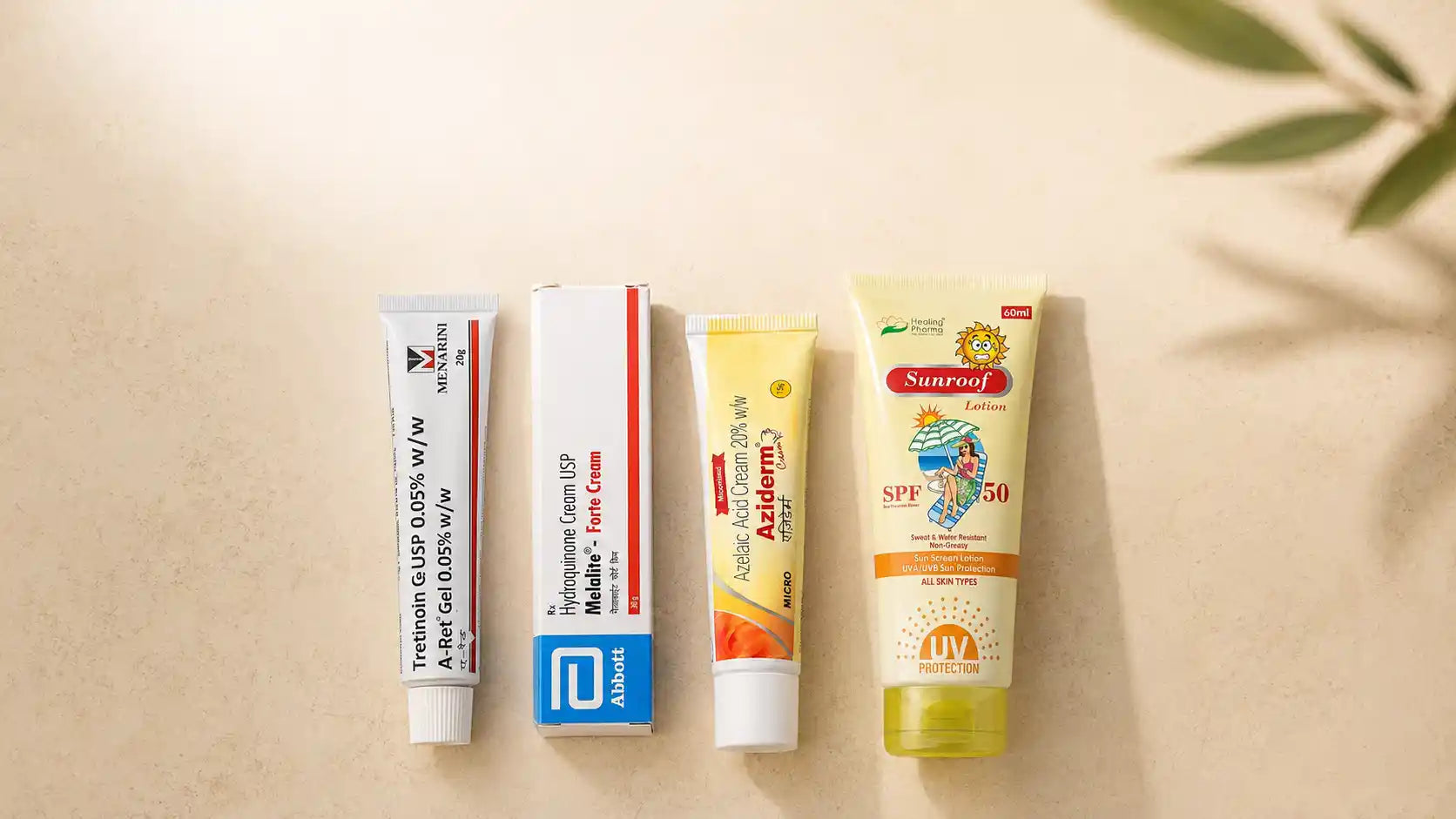
The active you pick should suit the mark. Turnover raising ingredients suit surface marks. Pigment calming ingredients suit hormonal patches. Most real routines combine a gentle active base with targeted treatment and non-negotiable sun protection. The table below sums up the usual roles.
|
Active |
What it targets |
How it is commonly used |
Key caution |
|
Tretinoin |
Turnover, texture, uneven tone |
Small amount at night, slowly built up |
Avoid in pregnancy, expect an adjustment period |
|
Hydroquinone |
Stubborn dark patches |
Short guided courses with breaks |
Not for continuous long term use |
|
Azelaic acid |
Marks and blotchy tone |
Once or twice daily, well tolerated |
Mild tingling early on |
|
Dullness and uneven tone |
Morning use under sunscreen |
Can irritate at high strengths |
How tretinoin works on pigment and texture

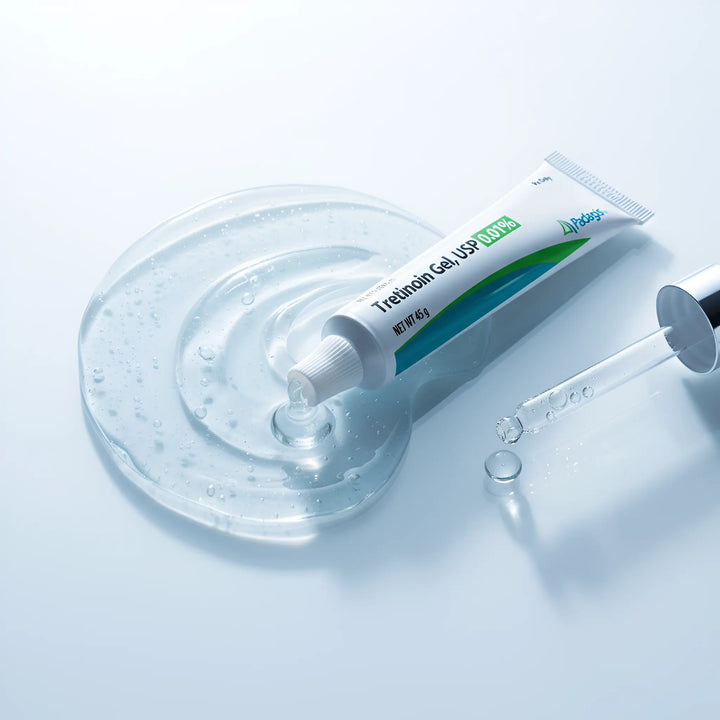
Tretinoin speeds up skin cell turnover, which may help surface pigment and overall tone look more even with time. It works gradually, not overnight, and the first few weeks can bring dryness or flaking as skin adjusts. That early phase is why a slow introduction matters so much for people prone to marks.
Readers choosing a retinoid can compare tretinoin vs adapalene for dark marks. The guide explains differences in strength, tolerance, and pigment support.
How hydroquinone is commonly used
Hydroquinone is a familiar option for stubborn pigment and is usually applied to the marks themselves. The common pattern is a limited course with planned breaks rather than continuous use, because using it non stop for too long can cause irritation or rebound darkening. Careful, guided use keeps it useful and lowers the risk.
Outside a hydroquinone course, readers may review Melaglow Skin Brightening Cream 30g. The product targets dark spots, acne marks, melasma, and uneven tone.
Where azelaic acid and vitamin C fit
Azelaic acid is a gentler all-rounder that many people tolerate well, which makes it handy for sensitive or reactive skin and for pregnancy friendly routines when advised. Vitamin C supports a brighter, more even look and pairs naturally with morning sunscreen. Neither replaces sun protection, but both make a steady routine easier to keep up.
The salicylic acid and azelaic acid for acne marks comparison separates pore care from flat pigment care after a breakout.
Starting strong actives without wrecking your barrier

Irritation is the enemy of pigment progress, especially on medium to deep skin, where inflammation can leave new marks. The goal is steady use your skin actually tolerates. Start low, go slow, and buffer with moisturizer. A calm barrier fades marks faster than an aggressive routine that keeps flaring.
The slow start method
● Begin one active at a time, not several together.
● Use tretinoin two or three nights a week to start, then build up.
● Beginners can compare tretinoin 0.025 vs 0.05 before choosing a starting percentage and schedule.
● Apply a pea sized amount and moisturize after if needed.
● Give any routine at least a couple of months before judging it.
● Before moving higher, the tretinoin 0.05% vs 0.1% comparison explains the irritation difference. Tolerance and consistency matter more than choosing the strongest percentage.
Purging versus irritation
Some early flaking or small breakouts with a retinoid can be part of adjusting. Stinging, burning, raw patches or spreading redness are signs of irritation, and that is your cue to ease off. Telling the two apart stops you from either quitting too soon or pushing through real barrier damage. When unsure, slow down.
If breakouts keep creating new marks, see salicylic acid vs benzoyl peroxide. It matches clogged pores or inflamed pimples to the appropriate ingredient.
Why melasma needs a gentler hand
Melasma reacts badly to heat and harshness, so the plan is patience over power. Aggressive treatment can worsen it, and even friction or heat can be a trigger. A gentle active base, strict sun protection and realistic timelines usually serve melasma far better than piling on strong products. Our analysis of common questions shows melasma frustration almost always traces back to sun exposure or over treatment.
For stubborn facial melasma, Triluma Cream 15g combines hydroquinone, tretinoin, and fluocinolone acetonide for short term guided use.
The South African sun problem

Sun protection is the deciding factor in every pigmentation plan here. South Africa sees high ultraviolet levels for much of the year, and light keeps stimulating pigment even on cool or cloudy days. A broad spectrum sunscreen spf 50 every morning, reapplied outdoors, protects whatever your actives achieve. Skip it, and melasma and sun spots keep coming back.
Heat matters too. Long periods in strong sun, hot cars and outdoor work all add up. Shade, hats and reapplication are part of the routine, not extras. For anyone using tretinoin or hydroquinone, sun care is what makes the effort worthwhile, since these actives can leave skin more sensitive to light.
Mistakes that stall pigment progress
● Chasing fast results and layering too many actives at once.
● A cleanser such as Skinshine Fairness Soap 75g may suit oily, acne prone skin. Cleansing alone does not treat melasma or sun spots.
● Using hydroquinone non stop with no breaks.
● Treating melasma with heat or harsh scrubs.
● Dropping sunscreen, the moment marks start to lift.
● Judging a routine after two weeks instead of two months.
Frequently asked questions
Does tretinoin fade melasma or make it worse?
Tretinoin may help the look of some pigment through turnover, but melasma is sensitive and can flare with irritation. A gentle approach with strict sun protection matters, and professional guidance is wise for melasma.
How long before tretinoin helps with pigmentation?
It works slowly, often over several weeks to a few months. Early dryness is common, and steady, tolerated use tends to serve better than high strength used too fast. The guide to tretinoin strength for acne, dark spots, and wrinkles compares percentages by concern. It also explains how tolerance affects a strength increase.
Is the darkening at the start purging or irritation?
Mild flaking or small breakouts can be adjusted. Burning, raw skin or spreading redness is irritation. If it looks like irritation, reduce frequency and let the barrier recover.
Can you use hydroquinone and tretinoin at the same time?
Some routines pair them, but both are strong. They are best used carefully, for guided periods, and often not on the same night for sensitive skin. Get advice before combining potent actives. The tretinoin and hydroquinone night routine explains application order, a slow start, short hydroquinone cycles, and daily SPF.
Why does melasma keep coming back?
Melasma is tied to hormones and light, so it relapses when triggers return, especially sun. Ongoing sun protection and gentle maintenance help hold results.
Is azelaic acid better than hydroquinone for melasma?
Azelaic acid is gentler and easier to use long term, while hydroquinone is stronger but used in limited courses. Which suits you depends on your skin and tolerance, so tailor it with guidance.
Should I stop actives in summer?
Not necessarily, but sun sensitivity rises, so many people ease strength and double down on sunscreen. Listen to your skin and keep protection strict through the hotter months.
Conclusion
Pigmentation gets easier to manage once you match the mark to the method. Surface marks respond to gentle turnover, stubborn patches may need short guided courses, and melasma rewards patience plus strict sun care above all. Start actives slowly, protect the barrier, and treat daily SPF as the core of the plan, not an afterthought.
For deeper guides on tretinoin, hydroquinone and pigmentation care for South African skin, explore the routine guides on tretinoins.